Taking care of your spray booth all year helps you avoid big problems and keeps your team safe. When you protect your spray booth with regular cleaning, you cut fire risks, keep equipment running smoothly, and make sure your workspace meets safety standards. You also save money by preventing breakdowns and extending the life of your setup. If you want a booth that fits your needs and supports easy maintenance, check out options from GZ GUANGLI.
Key Takeaways
- Regular cleaning of your spray booth prevents dust buildup and reduces fire risks, ensuring a safe workspace.
- Use high-efficiency filters and maintain positive pressure to keep dust out and improve paint quality.
- Conduct routine inspections to catch issues early, saving time and money while maintaining safety standards.
- Follow a structured maintenance schedule with daily, weekly, and monthly tasks to extend the life of your equipment.
- Invest in staff training to ensure proper maintenance practices, leading to better paint finishes and a safer environment.
spray booth dust control
Keeping dust out of your spray booth makes a huge difference in your paint jobs and equipment life. You want to start with the basics—stop dust before it gets inside.
limit dust entry
You can use several methods to keep dust from entering your spray booth. Industry studies highlight the most effective options:
|
Method |
Description |
|---|---|
|
High-Efficiency Filtration |
Uses multi-stage filters and HEPA technology to trap tiny particles and keep airflow clean. |
|
Positive Pressure Booth Design |
Maintains higher air pressure inside the booth so outside dust stays out during painting. |
|
Downdraft Airflow Systems |
Moves air straight down, carrying dust and overspray away from your work surface. |
|
Regular Cleaning & Maintenance |
Schedules cleaning and uses automated systems to stop dust from building up on surfaces. |
|
Dust Extraction & Collection Units |
Installs dust collectors at prep areas to catch particles before they reach the booth. |
If you use a high performance spray booth with downdraft airflow, you get cleaner results and less rework. Always clean your spray booth regularly to keep these systems working their best.
protective gear use
You might not realize how much your clothing can affect your paint finish. Here’s a real-world example:
One shop noticed small blue fibers appearing in their paint jobs. Upon evaluation, they realized that a change in their shop processes inadvertently resulted in contamination. They had recently changed their uniforms to blue work shirts, which they wore (without a paint suit) while painting. They discovered that these new shirts were pilling and the fibers were landing in the paint jobs.
To avoid this, always wear proper protective gear. This includes a respirator and professional protective clothing. You protect yourself and keep your work clean.
routine inspections
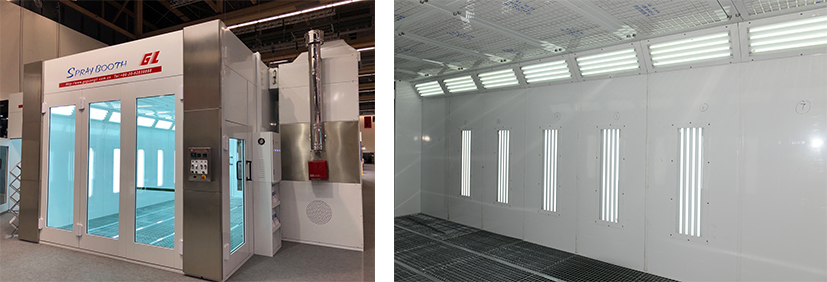
You need to check your spray booth often. Regular inspections help you spot dust buildup, leaks, or worn filters before they cause problems. Make a habit of walking around your booth and looking for anything unusual. If you catch issues early, you save time and money. You also keep your workspace safe for everyone.
spray booth maintenance
Keeping your spray booth in top shape takes more than just a quick wipe-down. You need a routine that covers daily, weekly, and ongoing maintenance steps. This approach helps you avoid unexpected breakdowns, maintain spray booth performance, and deliver consistent quality. If you use a heavy duty spray booth or a high performance spray booth, you know that precision maintenance is key to getting the best results.
daily and weekly cleaning
You want to start each day with a clean workspace. Here’s a simple checklist for daily and weekly spray booth maintenance:
-
Keep doors closed to stop dust and debris from entering.
-
Remove unnecessary items from the booth to prevent clutter and contamination.
-
Replace filters regularly to keep airflow strong and efficient.
-
Clean the cabin to remove overspray and dust.
-
Clean paint guns and air hoses to prevent debris from affecting your paint jobs.
-
Monitor moisture levels to protect surfaces and equipment.
If you follow these routine maintenance steps, you create a safe working environment and reduce the risk of breakdowns. You also make sure your booth delivers the quality you expect every time.
booth surfaces cleaning
You need to clean your spray booth surfaces with care. Using the right cleaning solutions protects finishes and keeps your booth looking sharp. For water-based coatings, choose biodegradable cleaners. For solvent-based paints, use industrial-grade thinners in well-ventilated areas. Develop a cleaning schedule that includes daily, weekly, and monthly tasks. This prevents overspray buildup and keeps your booth ready for action.
Managing overspray is important. Use peelable coatings and proper spray techniques to make debris removal easier. If you deep-clean your booth regularly, you avoid repairs and keep your quality high. Ongoing maintenance keeps your booth surfaces in great shape and supports consistent spray booth performance.
equipment care
Your equipment needs attention too. Clean paint guns, air hoses, and filtration systems every day. Inspect ventilation and filters each week. Check seals and electrical components monthly. Schedule professional inspections once a year. Assign these tasks to trained staff so you get reliable results.
If you use Guangli Automotive Paint Booths, you benefit from customizable options that make maintenance easier. Custom booths often have lower maintenance costs, longer lifespans, and easier upgrade paths compared to off-the-shelf models. Here’s a quick look:
|
Type of Booth |
Maintenance Cost |
Lifespan |
Upgrade Options |
|---|---|---|---|
|
Custom Booths |
Lower maintenance cost |
Longer lifespan |
Easier upgrades |
|
Off-the-Shelf Booths |
Higher maintenance cost |
Shorter lifespan |
Limited upgrade options |
Choosing the right booth type matters. Downdraft booths offer superior quality and cleanliness but require more maintenance investment. Side-draft booths are easier to maintain and install, but you need to check for overspray more often. Crossflow booths are affordable and simple, but may not deliver the same level of quality as downdraft models.
If you want ongoing maintenance to be simple and effective, pick a booth that fits your needs. Customizable options from GZ GUANGLI help you streamline your maintenance process and keep your booth running smoothly. You protect your investment, avoid unexpected breakdowns, and deliver high-quality results every time.
filters care
Taking care of your spray booth means paying close attention to the filters. These parts keep your air clean and your paint jobs looking sharp. If you ignore them, you risk poor airflow, dirty finishes, and even safety hazards.
filter types
You will find several types of filters in most booths. Each one has a special job. Here’s a quick look:
|
Filter Type |
Primary Function |
|---|---|
|
Intake Filters |
Remove large airborne particles before they enter the paint booth. |
|
Exhaust Filters |
Capture overspray particles from the painting process before air is expelled. |
|
Air Makeup Filters |
Clean fresh air introduced to replace exhausted air, reducing contamination. |
|
Specialty Filters |
Designed for specific applications or unique requirements in the painting process. |
The lifespan of each filter depends on a few things:
- Paint type and volume—more overspray means shorter filter life.
- Booth usage and operating hours—busy shops need more frequent changes.
- Environmental and shop conditions—dusty areas clog intake filters faster.
- Filter media quality and design—better filters last longer.
checking filters
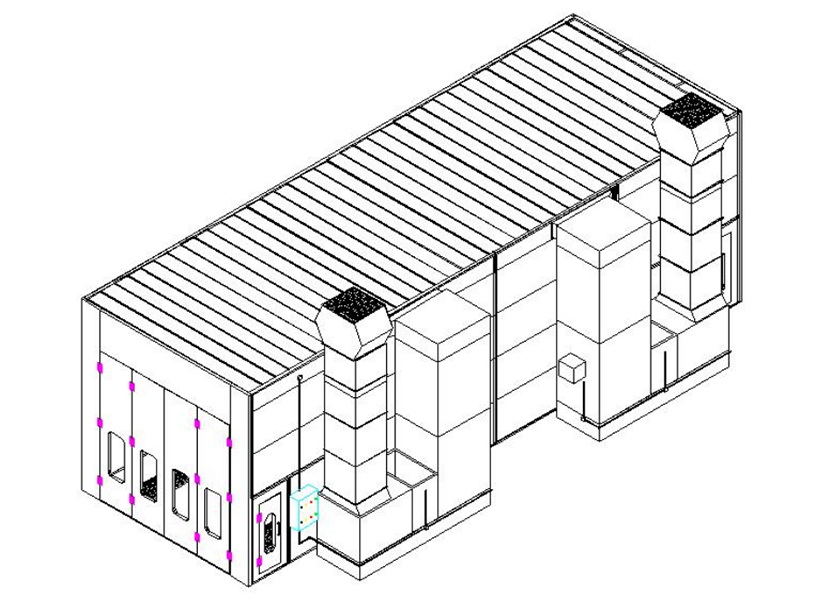
You should check your filters often. Look for signs like reduced airflow or visible dirt. If you notice these, it’s time for a change. Walk around your booth and listen for odd sounds from the ventilation. If you feel less air movement, check the filters right away. Clean filters help your booth capture overspray and keep fumes under control.
Tip: Always wear gloves and a mask when inspecting or handling dirty filters. This keeps you safe from dust and chemicals.
replacing filters
When you need to replace a filter, follow the instructions from your booth manufacturer. Turn off the booth, remove the old filter, and install the new one. Make sure the new filter fits snugly. Double-check the airflow before you start painting again. Regular filter changes keep your spray booth running at its best and protect your team from harmful particles.
moisture management
Keeping moisture under control in your spray booth makes a big difference in your paint results and equipment life. If you ignore humidity, you might see paint defects, rust, or even mold. Let’s break down how you can manage moisture all year.
monitor humidity
You want to keep an eye on humidity levels every day. The sweet spot for most paint booths sits between 45% and 65% relative humidity. This range helps you avoid problems like paint blushing, slow drying, or static buildup. Some coatings may need a slightly different range, so always check your paint manufacturer’s recommendations.
- Use a digital hygrometer to check humidity.
- Place sensors at different spots in the booth for accurate readings.
- Record humidity levels in your maintenance log.
Tip: If you notice humidity creeping outside the ideal range, adjust your air makeup unit or dehumidifier right away.
prevent condensation
Condensation can ruin a perfect paint job. You can stop it before it starts by using a few smart strategies:
- Install Air Makeup Units (AMUs) to bring in clean, conditioned air at a steady temperature and humidity.
- Add dehumidification systems, like desiccant wheels or refrigerated coils, to pull moisture from the air.
- Insulate your booth well, especially in winter, to keep cold surfaces from collecting water.
- Store paints and tools in a warm, dry place to prevent thickening and rust.
- Place sensors for dry bulb, wet bulb, and dew point at key spots to catch moisture changes early.
If you keep your booth’s air balanced, you’ll see fewer paint flaws and less equipment wear.
ventilation tips
Good airflow keeps moisture and fumes under control. You have a few options for ventilation:
- Cross-draft: Air moves side-to-side. It’s budget-friendly but may need extra filters.
- Down-draft: Air flows from the ceiling down. This setup gives you the cleanest air and best finishes.
- Side-draft: Air comes from above and exits through the sides. It balances cleanliness and cost.
- Semi-downdraft: Combines both for steady airflow.
To keep your system working well:
- Inspect fans and ductwork often.
- Change intake and exhaust filters on schedule.
- Clean ducts to stop blockages.
- Use an anemometer to check airflow.
Note: Regular ventilation checks help you avoid moisture problems and keep your booth safe.
seasonal maintenance
Taking care of your spray booth means adjusting your routine as the seasons change. Each season brings new challenges, whether you run a compact saloon booth or a large industrial setup. Let’s break down what you need to do to keep your booth in top shape all year.
winter prep
Cold weather can slow down your workflow and affect paint quality. You can get ahead of winter issues with a few smart steps:
- Allow extra curing time between coats since drying takes longer in the cold.
- Use fans or extraction systems to keep air moving and prevent moisture buildup.
- Run a dehumidifier to control humidity, especially in enclosed spaces.
- Keep airflow steady but avoid strong drafts that carry dust.
- Flush spray guns thoroughly after each job to stop clogs.
- Store all equipment in a frost-free, dry area to protect it from freezing.
If you use a water-based paint booth, you’ll need to pay extra attention to humidity and airflow. Water-borne coatings stay wet longer, so a clean environment is a must.
summer care
Hot and humid days can create new problems for your booth. Here’s how you can stay on top of summer maintenance:
- Control the climate with portable heaters, coolers, humidifiers, or dehumidifiers as needed.
- Adjust your painting process by changing atomization pressure, fluid pressure, or spray tip size.
- Drain your air compressor tank often and use water desiccant and oil filters to keep air supply clean.
- Thin your coatings with water if the air is hot and dry to get the right finish.
- These steps help you avoid paint defects and keep your booth running smoothly, no matter the temperature.
seasonal contaminants
Every season brings its own set of contaminants. Dust, pollen, and moisture can sneak in and ruin a perfect finish. You can manage these threats with the right strategies:
|
Management Strategy |
Description |
|---|---|
|
Filtration and vapor control |
Use intake filters rated MERV 7–11 and arrestor filters to catch dust and overspray. |
|
Regular maintenance |
Replace filters before they clog and clean booth walls to stop overspray buildup. |
|
Proper spraying technique |
Use lower pressures in HVLP systems to reduce overspray and improve finish quality. |
|
Fire safety measures |
Use explosion-proof lighting, proper grounding, and non-sparking fans in finishing areas. |
|
Physical separation of operations |
Keep sanding and finishing in separate areas to prevent cross-contamination. |
If you operate a water-based paint booth, you’ll notice that these coatings require a cleaner environment and multi-stage filtration to meet environmental standards. This is especially important for larger booths, like those for buses or trucks, where more air moves through the system.
No matter the season, adapting your routine to your booth’s size and type keeps your workspace safe and your results consistent.
maintenance schedule
Keeping your spray booth clean and protected starts with a solid maintenance schedule. You want to make sure every task gets done on time, so your heavy duty spray booth or high performance spray booth stays in top shape. Let’s break down how you can organize your routine.
cleaning calendar
A cleaning calendar helps you stay on track. You can split your tasks by how often you need to do them. Here’s a simple plan:
-
Daily Tasks: Clean booth surfaces and maintain equipment. This stops contamination and keeps your workspace safe.
-
Weekly Tasks: Change air filtration filters. Clean the exhaust stack, plenum, duct, and fan. These steps keep airflow strong and prevent buildup.
-
Monthly Tasks: Use a manometer to check filter conditions. Deep clean booth surfaces to remove stubborn overspray.
If you follow this schedule, your Guangli Automotive Paint Booths will deliver consistent results and last longer.
task tracking
You need a way to track your maintenance tasks. Digital tools and manual checklists both work well. Try these options:
- Remote monitoring systems send real-time alerts when something needs attention.
- Maintenance scheduling apps help you plan cleaning, filter changes, and inspections.
- Calibration checks for sensors make sure your booth’s temperature and humidity stay right.
You can use a whiteboard or a digital dashboard to mark off completed tasks. This keeps everyone accountable and your high performance spray booth running smoothly.
Tip: Set reminders for filter changes and inspections. You won’t miss important steps.
staff training
Your team needs training to handle maintenance the right way. Regular programs teach staff how to care for equipment and follow cleaning protocols. Training covers standard operating procedures for paint application. Employees learn to spot minor issues before they turn into big problems.
If you invest in staff training, your heavy duty spray booth stays reliable. You also build a safer workspace and get better paint finishes every time.
You keep your spray booth running safely and efficiently when you stick to a regular maintenance routine.
- Cleaning and filter changes boost safety and help you avoid costly repairs.
- Inspections catch hazards early and keep your workspace compliant with industry standards like NFPA 33 and OSHA.
- Smart scheduling saves money and extends your equipment’s life.
Want better results and easier upkeep? Try customizable, eco-friendly solutions from GZ GUANGLI. You’ll see smoother operations and a cleaner finish year-round.
FAQ
How often should you clean your spray booth?
You should clean your spray booth daily. Wipe down surfaces, check filters, and remove overspray. For a heavy duty spray booth, stick to a strict schedule to keep everything running smoothly.
What makes a high performance spray booth different?
A high performance spray booth gives you better airflow, faster drying, and cleaner finishes. You get more control over temperature and humidity. This means fewer paint defects and less rework.
Why choose Guangli Automotive Paint Booths?
Guangli Automotive Paint Booths offer customizable designs, energy efficiency, and easy maintenance. You can pick the size and features that fit your shop. Their booths help you get professional results every time.
How do you know when to replace spray booth filters?
Check your filters every week. If you see dust buildup or notice weak airflow, it’s time to swap them out. Clean filters keep your high performance spray booth working at its best.
Can you use water-based paints in a heavy duty spray booth?
Yes, you can use water-based paints in a heavy duty spray booth. Just make sure you control humidity and keep the booth clean. This helps you get a smooth, even finish.