Maintenance and Inspection Procedures for Dozer idler after Gear Oil Application

The maintenance and inspection process for the idler of a dozer after adding gear oil primarily includes the following steps:

  1. Check Oil Quality and Level: First, it is essential to verify that the added gear oil meets the dozer's specifications and that the oil level is adequate. This step is fundamental and critical, as improper lubrication can lead to severe mechanical damage.

  2. Clean and Inspect the idler Shaft: Use sandpaper to remove rust from the surface of the dozer idler shaft and check for any damage in the tip hole. If any damage is found, repairs should be carried out.

  3. Align the dozer idler Shaft: Insert one end of the idler shaft into the inspection instrument's turntable hole, and measure the shaft's runout using a dial indicator. If the runout exceeds 2 mm, realignment is necessary.

  4. External Maintenance: Inspect all components of the steering system, including the steering wheel, steering mechanism, and operational performance. Also, check for any signs of oil leakage.

  5. Internal Maintenance: Conduct a thorough inspection and necessary maintenance of all components within the steering mechanism. This includes checking the gears and other critical parts to ensure they are in good working condition.

  6. Observation and Documentation: Throughout the maintenance process, detailed records of all inspections and repairs should be maintained for future reference and further maintenance tasks.

Selecting Suitable Track Roller Materials and Designs Based on Excavator Operating Conditions

To choose the appropriate track roller materials and designs based on excavator operating conditions, it is essential to first consider the working environment and conditions of the excavator. The working environment typically includes various ground conditions, such as flat surfaces, uneven terrain, sandy soils, and mixed abrasive environments like ores. These conditions impose different requirements on the materials and designs of the track rollers.

Material Selection:

  • Wear Resistance: Excavators encounter various hard abrasive particles during operation, such as sand and ore, which can cause wear on the track rollers. Therefore, selecting materials with good wear resistance is crucial. For instance, high-hardness alloy materials or specially treated steels, such as carburized or quenched steels, can be considered.

  • Impact Resistance: Excavators face various impacts during operation, such as those caused by uneven ground or falling objects. Thus, the materials for the track rollers need to possess excellent impact resistance. High-strength alloy steels or composite materials can be considered, as these materials can maintain structural integrity while withstanding impacts.

Design Considerations:

  • Structural Design: The structural design of the track rollers must take into account the working conditions of the excavator. For large excavators, which operate under more demanding conditions, the track rollers require a more robust structural design, such as reinforced wheel body structures and increased axle strength. Additionally, the welding structure of the track rollers should consider the impacts and alternating loads they will endure, employing more reliable welding methods and materials.

Selecting suitable track roller materials and designs requires a comprehensive consideration of the excavator's working environment and conditions.

Similarities and Differences Between Dozer Track Rollers and Dozer Carrier Rollers

The dozer carrier roller and dozer track roller have some similarities and differences in their functions.

Similarities:

  • Support Function: Both components play a role in supporting the weight of the bulldozer's. The dozer carrier roller and dozer track roller are both essential parts of the bulldozer's undercarriage system, working together to support the weight of the machine through rolling action.
  • Track Movement: They both allow the track to move along the rollers, enabling the bulldozer to walk and steer effectively.

Differences:

  • Position and Quantity: The dozer carrier roller is typically located at the rear of the bulldozer track and is fewer in number. In contrast, there are generally more dozer track rollers.
  • Structure and Design: The design of the dozer carrier roller is relatively simple, primarily serving to support the weight of the bulldozer and reduce track rolling resistance. The structure of the dozer track roller is more complex, usually consisting of components such as the wheel body, track roller axle, bushings, seals, and end caps. dozer Track rollers can be categorized into single-sided and double-sided types.
  • Functional Focus: The primary responsibility of the dozer carrier roller is to reduce track rolling resistance, allowing the track to move smoothly on the ground. Its main function is to support the track from above, maintaining a certain tension, ensuring that the track does not become slack or overly tight during operation. The design of the dozer carrier roller must consider tension adjustments to adapt to different working environments and ground conditions.
    On the other hand, the dozer track roller not only supports weight but also serves to limit lateral slippage of the track and helps maintain stability during turning. The design of the dozer track roller must ensure even ground pressure of the track to reduce sinking in wet and soft soil while also addressing rolling resistance issues.

The different roles of the dozer carrier roller and dozer track roller in the dozer undercarriage parts system

In bulldozer undercarriage parts, the dozer carrier roller and dozer track roller play important but distinct roles.

The primary function of the carrier roller is to support the upper portion of the track, preventing it from sagging and reducing vertical vibrations. The carrier roller also serves to limit the track's movement, preventing lateral sliding. Typically mounted above the track, the carrier roller uses a cantilever structure to provide support and protection for the track.

On the other hand, the main function of the track roller is to bear the weight of the bulldozer and transfer that weight to the track, allowing it to move smoothly over the ground. Track rollers must withstand significant vertical loads, so they require high strength. They are generally designed with sliding bearings to reduce friction and enhance durability. Additionally, track rollers help minimize sinking when traversing wet or soft soil, thereby improving the stability and passability of the equipment.

In summary, the carrier roller is primarily used to support and limit the vertical movement of the track, while the track roller is mainly responsible for bearing and distributing the weight of the bulldozer, ensuring the stability and durability of the track across various terrains. Although both are essential components of the chassis, they each fulfill different responsibilities and functions.

The choice of materials for the bulldozer carrier roller and track roller significantly impacts their performance. Typically, these components are made from alloy steel, often incorporating wear-resistant materials, and are forged or cast to ensure their durability and wear resistance under high-load working conditions. For example, the materials for the carrier roller are generally 50Mn or 40Mn2, which undergo casting or forging and mechanical processing followed by heat treatment to enhance surface hardness and increase wear resistance.

The design and materials of the track roller not only affect its lifespan and reliability but also directly influence the bulldozer's working efficiency and overall performance. Proper material selection can reduce friction, improve productivity, and minimize downtime. Furthermore, the quality parameters of the track roller, such as nominal diameter, width, material, weight, and pre-tension force, directly impact its lifespan, stability, and working efficiency.

Therefore, selecting high-quality materials combined with advanced manufacturing processes is one of the key factors in ensuring the performance of the bulldozer carrier roller and track roller.

The Impact of Cracks or Deformation in Bulldozer Track Rollers on Overall Performance

The bulldozer track roller is a crucial component of bulldozers, and cracks or deformations can significantly affect the overall performance of the machine. The impact can be seen in several areas:

Reduced Load-Bearing Capacity: The primary function of the bulldozer track roller is to support the weight of the bulldozer and its operational load. Cracks or deformations can lead to a decrease in load-bearing capacity, which in turn affects the stability and safety of the bulldozer.

Uneven Stress Distribution: Bulldozer track roller endure tremendous alternating impact forces during operation. Cracks or deformations can result in uneven stress distribution, increasing the wear risk for other components, such as track plates and track link assemblies. Additionally, deformations in the track roller may cause an increase in contact stress between the track plates and the rollers, accelerating wear on the track plates.

Poor Lubrication: Cracks or deformations in the bulldozer track roller can compromise its sealing performance, leading to oil leaks that affect lubrication efficiency. Inadequate lubrication can exacerbate wear on the track roller and adjacent components, shortening their service life.

Decreased Operating Performance: Cracks or deformations in the bulldozer track roller can impair the walking performance of the bulldozer, especially during demolition tasks where greater impact forces may exacerbate existing issues. This can potentially prevent the bulldozer from functioning normally under complex working conditions, thereby affecting construction efficiency.

Increased Maintenance Costs: Cracks or deformations in the bulldozer track roller require timely repair or replacement; otherwise, the damage may worsen. Consequently, these defects can lead to higher initial maintenance costs as well as subsequent issues that require additional repairs.

In summary, cracks or deformations in the track roller can have multiple impacts on the overall performance of the bulldozer, including reduced load-bearing capacity, uneven stress distribution, poor lubrication, decreased operating performance, and increased maintenance costs.

The Impact of Heat Treatment Processes on Bulldozer Track Chains

The heat treatment process of bulldozer track chains significantly enhances their performance in the following aspects:

1. Increased Hardness and Wear Resistance: Heat treatments, such as quenching and tempering, can markedly improve the hardness of chain materials. For example, the composite secondary chemical heat treatment method effectively increases the surface hardness and the thickness of the hard layer on the pin shaft, thereby enhancing the chain's wear resistance and durability.

2. Improved Mechanical Properties: Heat treatment processes adjust the microstructure of the material, improving its mechanical properties. By optimizing the heat treatment process of 40Cr steel, the treated mechanical properties can meet or exceed those of the original manufacturing material, 42CrMo steel, fulfilling the operational requirements of the chain.

3. Extended Service Life: Proper heat treatment enhances the fatigue strength and tensile strength of the chain, extending its service life. For instance, applying the quenching-tempering process to drive chain plates and drive chain pins not only increases core hardness and tensile load limits but also significantly saves energy and reduces consumption.

4. Reduced Maintenance Costs: By improving the wear resistance and fatigue resistance of the chain, the frequency of maintenance and replacements due to wear or damage is reduced, thereby lowering long-term operational costs.

5. Adaptability to Different Working Environments: Various heat treatment processes can be optimized according to the working environment and load conditions of the chain, ensuring it maintains good performance under different conditions. For example, medium-frequency induction heat treatment technology can be used for large-diameter chains and various sprockets. By improving tooling structures and heat treatment process parameters, more precise heat treatment effects can be achieved.

In summary, the heat treatment process of bulldozer track chains is a key technology for enhancing their performance. Through appropriate heat treatment, the durability, reliability, and cost-effectiveness of chains can be significantly improved.


Reference link:https://onlinelibrary.wiley.com/doi/10.1002/mawe.201700061


Versatile Undercarriage Solutions Navigating Terrain Excellence for Diverse Machinery

In the widely used construction and engineering industries, the quality and reliability of undercarriage parts are crucial. Our factory offers a variety of specifications of undercarriage parts to meet the needs of different types of machinery.

Small undercarriage parts are commonly used in various types of small construction machinery and special vehicles that require excellent off-road performance and stability. Here are some common small equipment and vehicles that may use small undercarriage parts:

  • Mini Excavators: Used in tasks such as urban construction, field cultivation, and pipeline construction. They are typically equipped with undercarriage for better stability and maneuverability.

  • Compact Loaders: Utilized for various material handling tasks, such as moving earth, gravel, and construction materials on construction sites. They also often use undercarriage.

  • Mini Bulldozers: Employed for leveling and grading surfaces in road construction, parking lot development, and small earthmoving projects.

  • Compact Agricultural Tractors: Some small agricultural tractors are equipped with undercarriage for better traction in fields without damaging the soil.

  • Small Snowmobiles and Off-road Vehicles: In snowy, muddy, or rugged terrains, small undercarriage parts can enhance vehicle stability and traction.

  • Gardening and Agricultural Machinery: Small undercarriage parts are also used in some gardening and agricultural machinery, such as plows, seeders, and harvesters, to work in different field conditions.

Additionally, some small robots and robotic vehicles use undercarriage. Undercarriage is particularly useful for robots to move and perform tasks in complex terrains and harsh environments. Here are some examples of small robots using undercarriage:

  • Drainage and Sewage Cleaning Robots: Equipped with undercarriage for traversing different terrains like deserts, forests, urban streets, sewers, etc.

  • Search and Rescue Robots: In search and rescue missions, small robots can use undercarriage to navigate obstacles and perform tasks.

  • Agricultural Robots: Some small agricultural robots are used for planting, weeding, and harvesting crops. They often use undercarriage for mobility.

  • Exploration and Mining Robots: In exploration and mining, small robots can be used for surveying, underground mining, and mine clearing. Their undercarriage allows them to move and operate in mining environments.

  • Educational and Research Robots: Some small robots designed for educational and research purposes use undercarriage to help researchers and students learn and experiment with robotics technology.

The load-bearing capacity of the undercarriage is generally influenced by various factors, including undercarriage design, material quality, structural strength, etc. Here are some common undercarriage specifications and their general suitability for equipment load ranges:

  • 72-Pitch Undercarriage Parts: Typically suitable for micro and mini excavators or compact crawler equipment with a designed load capacity of around 0.8 tons. Suitable for small construction projects, urban construction, and light excavation tasks.

  • 90-Pitch Undercarriage Parts: Generally suitable for small crawler equipment with a designed load capacity ranging from 1 ton to 2 tons. Suitable for medium-sized construction projects, earthmoving projects, and general excavation tasks.

  • 101-Pitch Undercarriage Parts: Can be suitable for medium to medium-large excavators with a designed load capacity ranging from 3 tons to 6 tons.

  • 135-Pitch Undercarriage Parts: Typically suitable for medium-large excavators with a designed load capacity ranging from 8 tons to 12 tons.

  • 154-Pitch Undercarriage Parts: Suitable for large excavators with a designed load capacity of 10-12 tons or more.

It's important to note that the above load capacity ranges are for reference only. The specific application will depend on the excavator model, manufacturer requirements, and the specific needs of the project. When selecting undercarriage parts, it is recommended to consult in detail with the excavator manufacturer or supplier to ensure the selection of the most suitable parts for your equipment.

The role of turbochargers in enhancing performance

A-Increased Horsepower 

Turbochargers boost horsepower by increasing the amount of air entering the combustion chamber, allowing more fuel to burn and thus significantly enhancing engine output. Typically, turbocharged engines can deliver a 30% to 50% increase in horsepower compared to naturally aspirated engines.


B-Higher Torque

Turbochargers provide substantial torque at low engine speeds, resulting in smoother and quicker acceleration. This characteristic is particularly useful in everyday driving situations, such as merging onto highways.


C-Improved Fuel Efficiency

By optimizing the air-fuel mixture and increasing combustion efficiency, turbochargers can improve fuel economy, allowing the engine to produce more power while consuming less fuel.


D-Reduced Emissions

By increasing combustion efficiency, thereby decreasing the production of harmful waste.


E-Reduced Turbo Lag

Modern turbocharging technologies, such as Variable Geometry Turbochargers (VGT) and twin-turbochargers, can effectively reduce turbo lag, providing a smoother power output.


F-Increased Durability and Reliability

Although turbochargers add complexity to the engine, modern designs ensure their durability and reliability, with many manufacturers offering warranties and maintenance plans to support these systems.

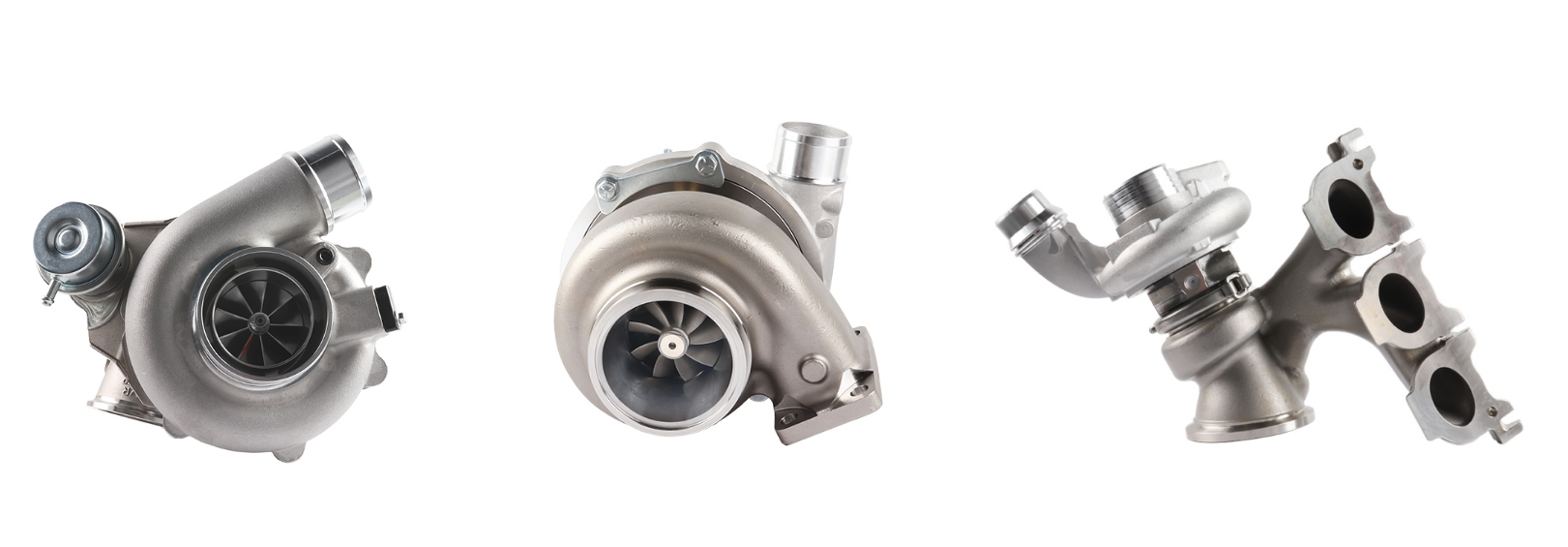
S58 turbo charger

Ankai Bus Sales Up 29% in the First 10 Months of 2024

Ankai Bus has achieved cumulative sales of 4,249 units from January to October 2024, representing a year-on-year increase of 28.68%.
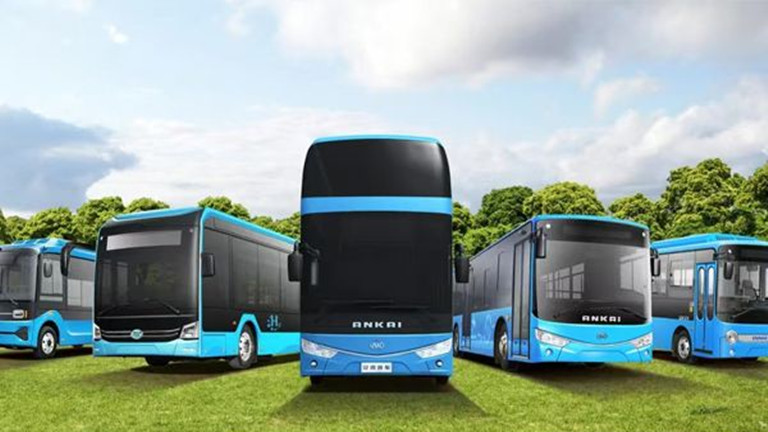
Ankai Bus

As a leading player in China bus manufacturing industry, Ankai Bus has prioritized technological innovation since its inception. It has established three national-level research and development platforms: the National Enterprise Technology Center, the National Engineering Research Center for Electric Bus Integration System, and the National and Local Joint Engineering Research Center for Electric Bus System Development and Application. The company has undertaken more than 50 national and provincial key research projects, presided over and participated in the formulation of over 30 national industry standards, making it a technological leader in the bus sector.
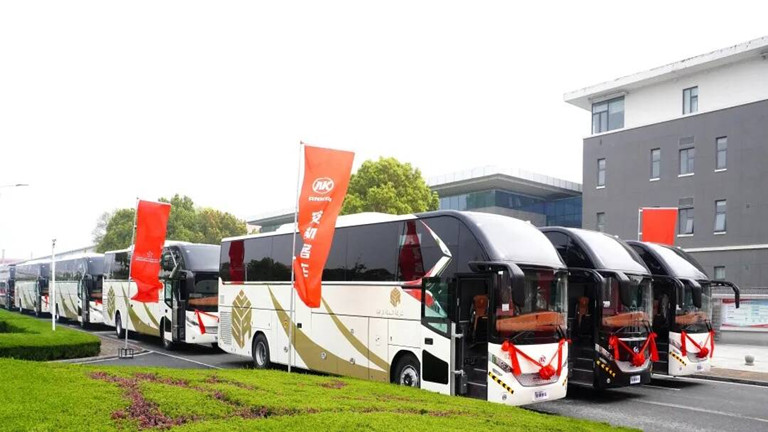
Electric Bus

To date, Ankai Bus has obtained numerous high-value invention patents, with a total of 1,048 valid patents, including 394 invention patents. In areas such as energy management, vehicle control systems, data acquisition, power batteries, drive motors, intelligent driving, and hydrogen-fueled buses, it has applied for a total of 547 new energy patents.

China bus

Benefiting from these numerous independent innovations, Ankai Bus has been able to keep pace with the times. It was among the first in China to layout new energy buses and was one of the earliest companies to obtain new energy bus announcements. Currently, Ankai Bus has completed the development of four generations of electric drive systems, four generations of vehicle control systems, and seven generations of pure electric buses. Driven by technology, the company has continuously improved product quality, earning recognition from numerous users.

Currently, intelligence serves as a strategic pivot for the development of automotive companies. Building on its profound technological accumulation, Ankai Bus has taken the lead in deploying autonomous driving and actively promoted the application of 5G+ autonomous driving technology, seizing the high ground of industry development. As early as 2017, Ankai Bus conducted a trial run of autonomous buses on public roads in Shenzhen, Guangdong, which was a global first. In 2020, Ankai's autonomous buses were put into regular operation on Anhui's first 5G open road demonstration line for autonomous vehicles, providing strong support for the commercialization of autonomous vehicles in the region.

Ankai Bus has also developed an L4 autonomous bus equipped with a 500+TOPS automotive-grade computing platform, laser radars, millimeter-wave radars, ultrasonic radars, and visual perception devices. Through artificial intelligence, automatic control, and visual computing, the bus can navigate complex road scenarios, perform autonomous obstacle avoidance, lane changing, emergency braking, and automatic stopping at stations, demonstrating driving skills comparable to experienced drivers and significantly promoting the upgrade of urban intelligent transportation.
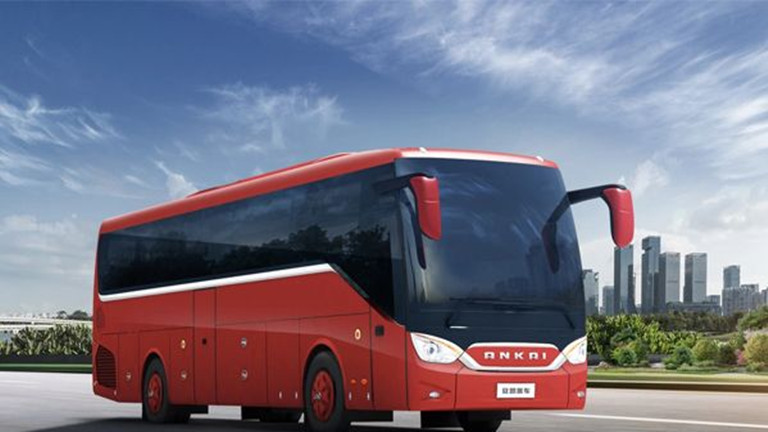
A6, A8 bus

Guided by market demand, Ankai Bus has built a comprehensive product matrix through technological empowerment to deeply explore various market segments and promptly respond to market needs. In the context of "Tourism+", public tourism demands have become diversified and personalized. Ankai Bus has continuously optimized its product line, introducing high-quality buses such as the A6, A8, and A9 to inject new vitality into tourism development across various regions. Take the N8 series of high-end tourist highway buses as an example; they offer refinement, efficiency, safety, and comfort, providing passengers with an "experiential" travel experience and greatly enhancing the quality of travel. This year, the N8 series has undergone further upgrades, incorporating Ankai's unique fourth-generation full-load-bearing patented technology and high-strength steel for the vehicle frame, making it lighter and safer. The buses also innovatively feature a dual front windshield design, further enhancing the riding experience. The operation of the dual front windshield N8 buses has further promoted the innovative development of "Tourism+".
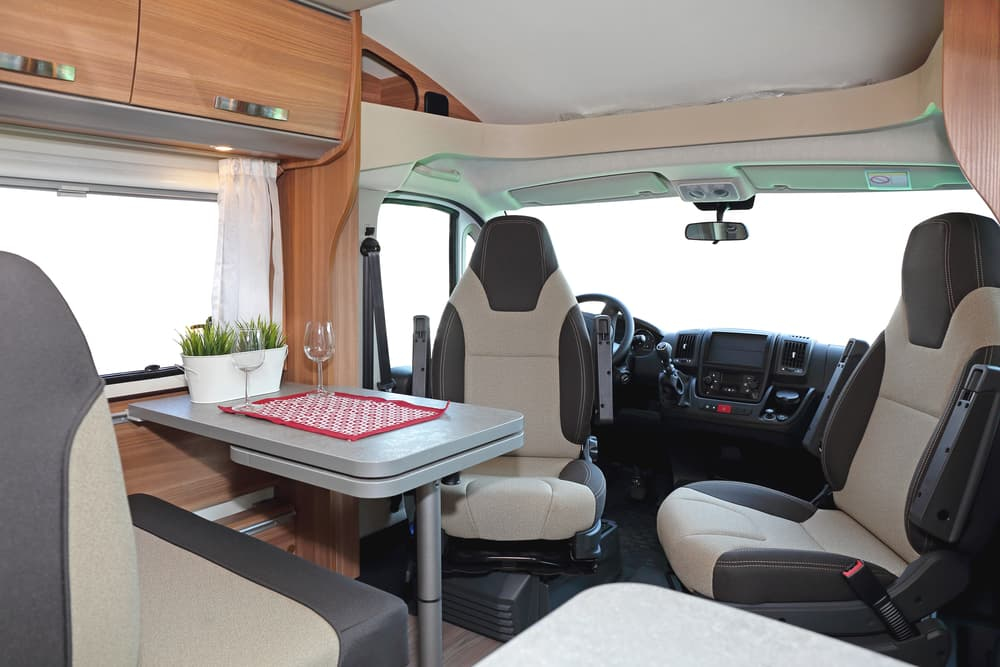
How can I make my RV seat more comfortable

We know that long-distance driving can make people tired and uncomfortable. If you are an RV enthusiast, you may know how important it is to have a comfortable rv seat on the road, and if the seat lacks ergonomic design, the journey will no longer be pleasant.
luxury rv captains chairs

Recently, many customers who bought folding rv seats have consulted us, and they want to make their RV seats more comfortable. Xiamen Van Seat, as an experienced RV seat manufacturing expert, has the following modification suggestions for improving the comfort of RV seats:


1. Choose a special RV seat

RV seats are different from ordinary car seats. If you want to replace the seats for your RV, please choose a more professional RV seat. RV seats have functions such as electric adjustment, heating, ventilation, folding, etc., and have good comfort.

2. Add seat cushions and back cushions

By adding seat cushions and back cushions, the comfort of the seat can be increased to a certain extent. However, when choosing seat cushions and back cushions, you should give priority to materials with breathable and moisture-wicking materials to keep you cool and dry while driving and resting.

3. Modify the seat structure

Consider modifying the seat structure, such as adding lumbar support or headrest adjustment function, to improve the comfort of the ride.

4. Use high-quality materials

Choose durable and easy-to-clean materials such as leather or vinyl, which are not only comfortable but also easy to maintain.

5. Customize the seat


Customize the seat according to personal needs, including the size, shape and function of the seat to maximize comfort. For exampleFor people with limited mobility, Xiamen Van Seat recommends adding handles or extending the sliding mechanism to the seat, which is conducive to the sitting and standing of the passengers.
rv sleeper chair

Through the comfortable modification of the motorhome seat, the owner will enjoy a high-quality sleeping space when resting during the journey. However, Xiamen Van Seat reminds everyone that the premise of increasing the comfort of the RV seat is to ensure that the RV seat is safe and complies with local laws and regulations. If necessary, legal registration and change procedures are required.


Finally, Xiamen Van Seat can provide professional RV seat modification suggestions and high-quality modified RV seats. If you want to replace or upgrade the RV seat, you can contact us at www.luxuryvanseat.com.