What is the advantage of forged wheel?

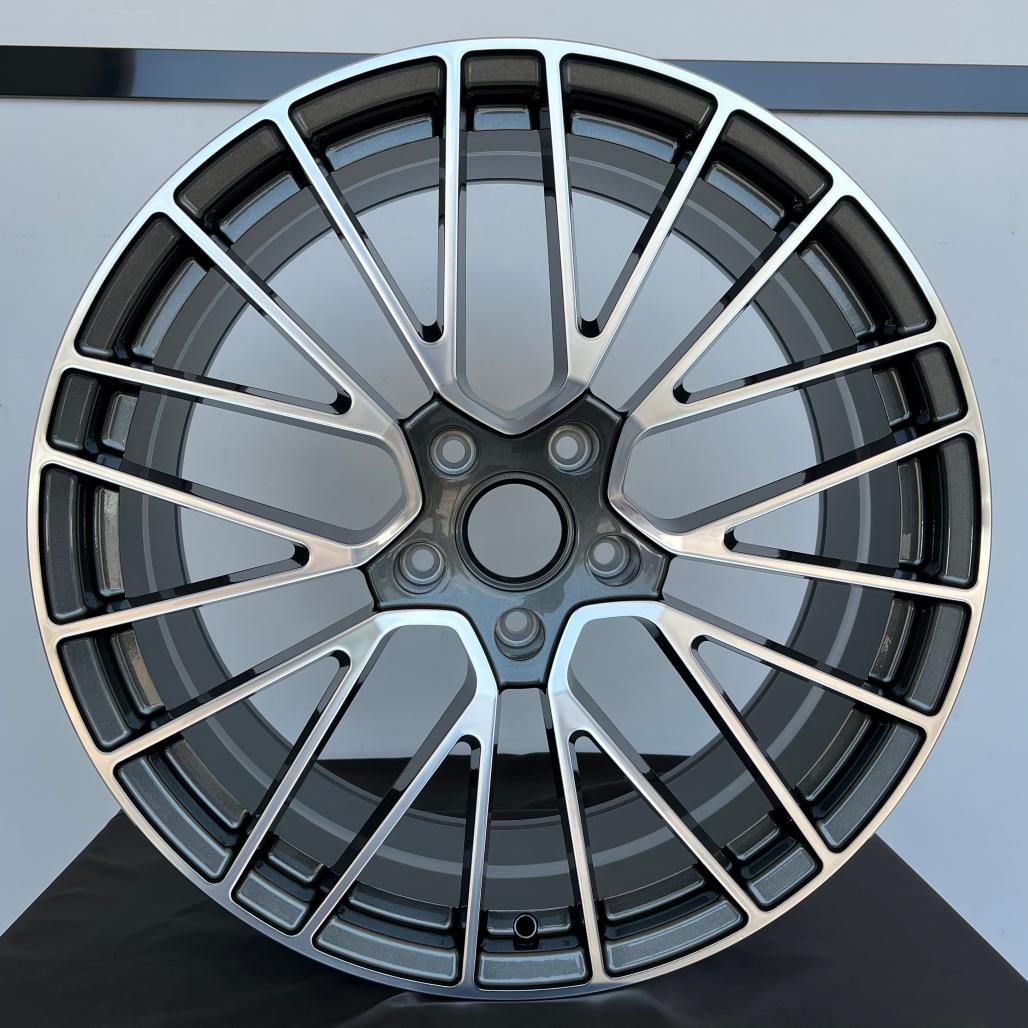
Forged wheels are a premium choice for those seeking high performance, durability,lighter,and aesthetic appeal in their vehicles. Unlike cast wheels, which are made by pouring molten metal into molds, forged wheels are created by applying intense pressure to a solid piece of metal, usually aluminum or aluminum alloys.

1.Lightweight and Performance Benefits
One of the main advantages of forged wheels is their lightweight design. The forging process eliminates internal air pockets, creating a denser, stronger structure. This reduces the overall weight of the wheel, which improves vehicle performance in several ways. Lighter wheels reduce the rotational mass, leading to better acceleration, quicker braking, and enhanced handling.

2.Increased Strength and Durability
Forged wheels are significantly stronger than cast wheels due to their solid, uniform structure. The forging process aligns the metal’s grain, enhancing its strength and resistance to deformation. This makes forged wheels moreimpact-resistant andless likely to crack or warp under pressure. This strength is especially important in high-stress conditions, such as racing or driving on rough roads. Forged wheels are better equipped to withstand potholes, curbs, and heavy braking, offering longer-lasting performance and greater safety.

3.Aestheticand Customization
Another key advantage of forged wheels is theiraesthetic flexibility. The forging process allows for more intricate designs and finer detailing, which makes it easier to create wheels with custom shapes and finishes.

22 inch alloy rims manufacturer

4.Long-Term Cost Effectiveness
While forged wheels come at a higher upfront cost, they offer better value over time. Their superior strength and durability mean they are less likely to need replacement due to cracking or wear. Additionally, their ability to reduce weight and improve vehicle performance may result in long-term savings on fuel or battery life in electric vehicles. For those who prioritize quality and longevity, forged wheels are a worthwhile investment.

In summary, forged wheels offer significant advantages in terms of lightweight design, strength, durability, and performance. Their ability to withstand high-impact stresses, improve handling, and dissipate heat makes them ideal for high-performance and luxury vehicles.

What is the size,pcd,et and cb of wheel ?

When it comes to wheels, the termssize,PCD,ET, andCB refer to important specifications that ensure proper fitment and performance on a vehicle. Here's a breakdown of each term:


1.Size of the Wheel

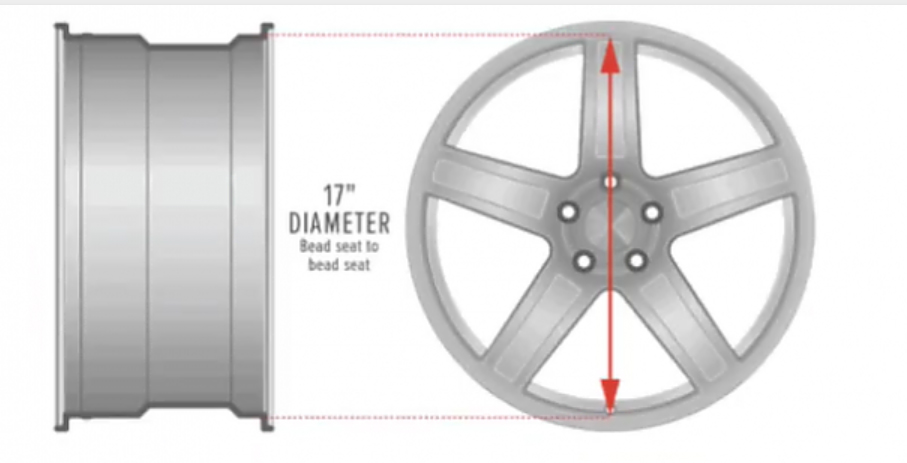
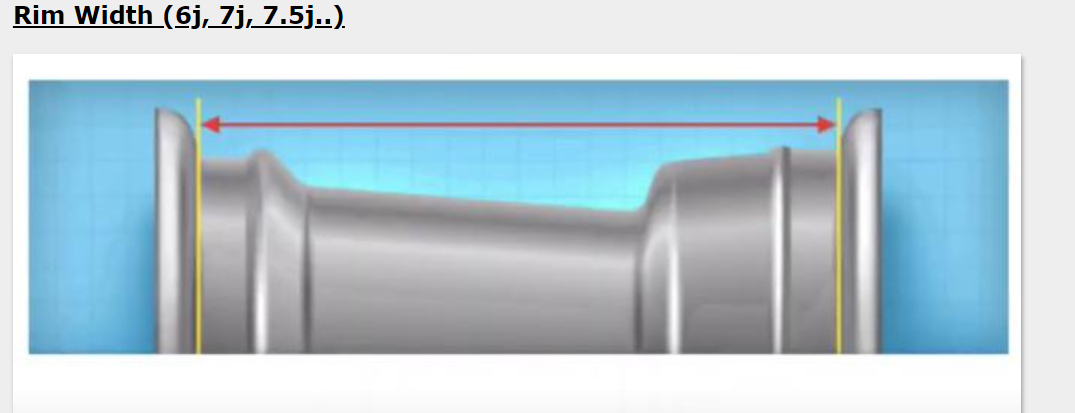
The size of a wheel typically refers to two key measurements:diameter andwidth.

Diameter: The overall diameter of the wheel, usually measured in inches. Common sizes include 15-inch, 16-inch, 17-inch, 18-inch, and so on. This measurement corresponds to the distance from one end of the wheel to the other, from edge to edge.


Width: The width of the wheel is also measured in inches and refers to the distance between the inside edges of the wheel's rim, where the tire sits. For example, you might see a wheel labeled as 18x8.5, which means the wheel has an 18-inch diameter and an 8.5-inch width.


Example: A wheel size of 18x8.5 means:

· 18 inches in diameter

· 8.5 inches in width


2.PCD (Pitch Circle Diameter)

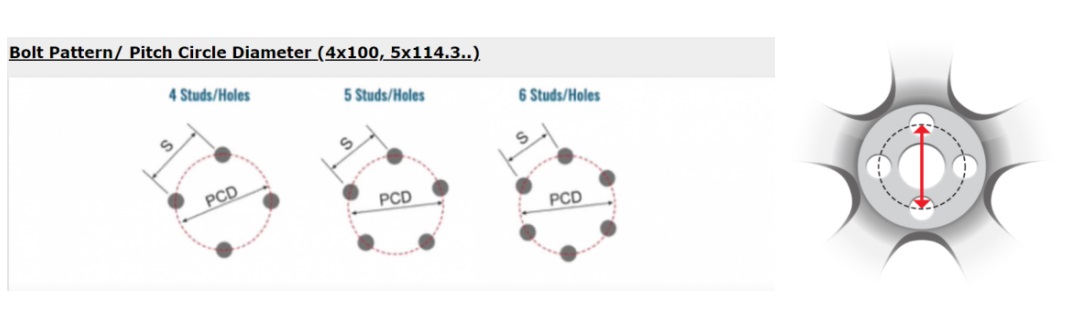
· Definition: PCD refers to thediameter of the circle formed by the centers of the wheel’s bolt holes.

· Format: It's represented by two numbers: the number of bolt holes (studs) and the diameter of the circle (in mm). For example,5x114.3 means:

o 5 bolt holes

o 114.3 mm diameter of the circle passing through the center of the bolt holes.

Example:5x114.3 means:

· 5 bolt holes

· A bolt circle diameter of 114.3 mm

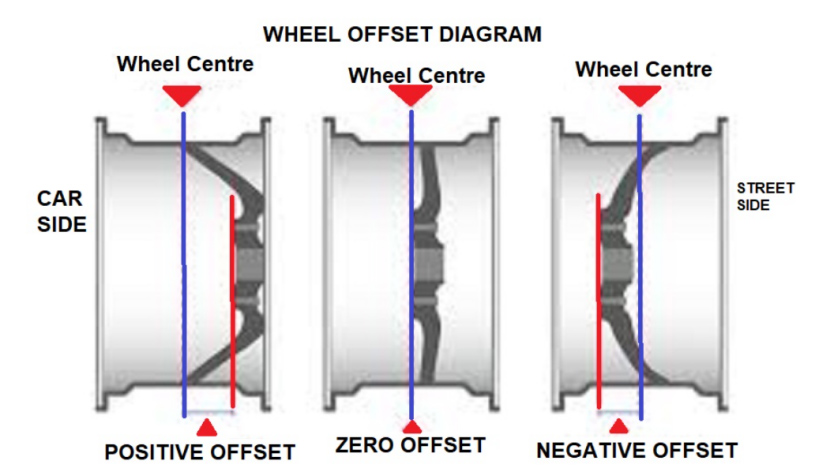
3.ET (Offset)

· Definition: ET, oroffset, is the distance from the wheel’s mounting face (the part that contacts the hub) to the wheel’s centerline.

· Types:

o Positive Offset (ET +): The mounting face is towards the front (towards the wheel's outer side), pushing the wheel inward.

o Negative Offset (ET -): The mounting face is towards the back, pushing the wheel outward.

o Zero Offset (ET 0): The mounting face is aligned with the centerline of the wheel.

Example:ET40 means:

· The mounting face is 40 mm towards the outside of the wheel centerline.


4.CB (Center Bore)

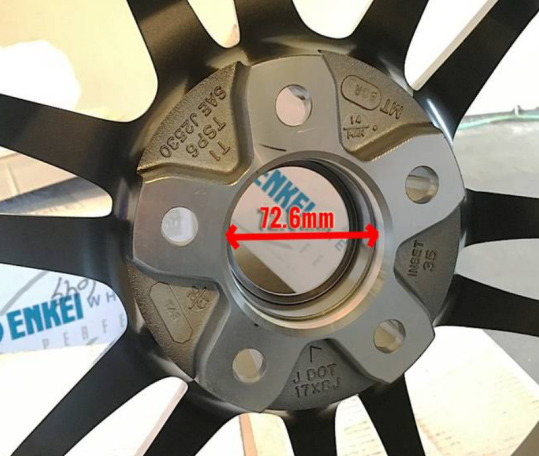
Definition: Thecenter bore is the diameter of the hole in the middle of the wheel, which fits over the hub of the vehicle. It’s crucial for the wheel to match the hub size to ensure the wheel is properly centered.

Common Sizes: Center bore sizes vary based on the vehicle make and model. For instance, common center bore sizes are56.1 mm,66.1 mm, or70.3 mm.

Example:CB 66.1 means:

· The center bore is 66.1 mm in diameter.


What material does the car wheel have? Which one is good?

The wheel rim is an important part of the car, also known as the rim.Generally speaking, it is the part of the axle mounted in the center of the wheel.

Automobile wheels are mainly divided into manufacturing processes, namely casting and forging.Generally speaking, the cast ring is aluminum, and the forged ring also has aluminum and titanium.However, in general, forged rings have high strength, cast rings are light in weight, automobile power loss is small, and the running speed is fast.

Another different indicator of the wheel rim is the different hole distance and eccentricity distance.The hole distance is just the position of the screw.The eccentricity distance reflects the distance of therim from the surface of the screw to the centerline of therim.A very good wheel rim requires uniform density, round shape, and good performance.

Car wheels can be updated, and some people will upgrade their wheels.For larger wheels, the outer diameter of the tire remains the same, and the flatness of the tire becomes larger.The lateral swing of the car is smaller and the stability is improved.However, the car has lost its comfort.The wheels currently used are made of aluminum alloy material, which has a beautiful appearance, but they are also very exquisite. In order to maintain the beauty of the wheels, in addition to paying special attention to preventing accidental damage to the wheels during driving, regular maintenance of the wheels is also required.


What should be considered before buying the car rim?

When choosing the size of a car wheel, there are many factors to consider.Traditionally, larger wheels are considered a better choice because they can provide a better appearance and higher performance.However, not all vehicles are suitable for using large-size wheels, so different factors need to be weighed.

First, larger wheels usually mean smaller tire flatness.This can improve handling and vehicle response, but it may also affect ride comfort.A smaller flatness of the tire may make the tire more susceptible to damage on uneven roads, which may increase the maintenance cost of the vehicle.

Secondly, larger wheels can improve the performance of the vehicle.This is because larger wheels can provide more brake space and lower rotational inertia.These factors can improve braking ability and acceleration performance, but the correct size must be selected to ensure good results.

Finally, larger wheels may have an impact on fuel economy.This is because larger wheels usually mean greater wheel weight and higher rolling resistance of the vehicle.This may lead to a decrease in fuel economy and increase the operating costs of the vehicle.

Considering these factors, the size of the wheel hub varies from car to car.

Generally speaking, smaller cars are suitable for using smaller wheels, while larger SUVs and trucks are suitable for using larger wheels.

In addition, the usage scenarios and personal preferences of the vehicle need to be considered.

When purchasing a new wheel, you should consult a professional automotive technician to ensure that the appropriate wheel size is selected.


Which processes of the wheel rim can be changed to electroplating?

“Multi-layer environmental protection ion technology" uses powder spraying technology and magnetic control vacuum coating technology to process electroplating wheels. The production technology replaces the traditional high-pollution, high-cost, zero-pollution, and production model, creating high value-added, advanced product technology, beautiful and luxurious appearance, green environmental protection, and superior performance. It has been widely recognized by the domestic and foreign markets.

Once the electroplated wheel rim is scratched, the cost of replacing the entire wheel rim is relatively high, and it is not affordable, and it cannot be repaired and refurbished.

Generally, some of the original wheels have a painted surface, some have a brushed surface, some have a polished surface, some are imitated electroplating, and some are electroplated wheels.

Then, whether it is painting, drawing, polishing, or electroplating, it can be changed to electroplating wheels.If the surface is electroplated wheels, it can be electroplated after a long time.

Some car owners may question that it is not difficult to change the wheel technology, but if our wheel itself has corrosion, clearance, deformation, etc., can we still electroplate it?

It's completely possible. The electroplating of the wheel rim is to repair the wheel rim and then electroplate it to ensure the quality and effect of the wheel rim electroplating for most car owners.

After the wheel rim enters the factory, it will be handed over to a professional wheel rim maintenance expert for wheel rim inspection to confirm whether the wheel rim has corrosion, gaps, deformation, fracture, etc.If so, after the wheel rim repair is completed, professional electroplating equipment and electroplating technology will be used for electroplating and electroplating.At the same time, combined with professional maintenance technology, new maintenance effects can be achieved, the surface is smooth and bright as a mirror.

Why are most of the car wheels made of five spokes?

The vast majority of aluminum alloy automobile wheels are now cast, despite the heat treatment, the residual stress must still exist. If it is an even number, it is easy to produce greater stress on a pair of spokes at 180 degrees, which exceeds the tensile and shear strength, and then breaks. If it is an odd number of spokes, the stress and deformation can be transferred to more spokes, which plays an average role. If the three frames are too far apart, the force is still concentrated, and the five spokes are ideal. Also because of this reason, the ten-spoke wheels are generally arranged in a double five-spoke manner.

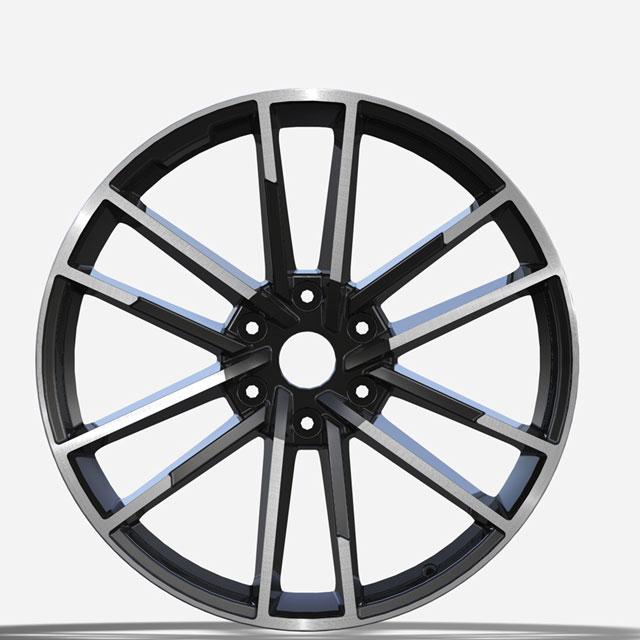
Big Sizes 22 Inch Automobile Alloy 1-Piece Forged Wheel

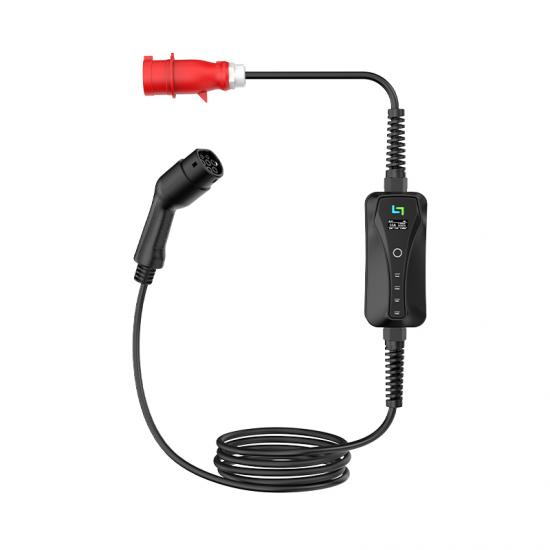
Looking for the Best EV Charging Solution?

As the popularity of electric vehicles (EVs) continues to grow, so does the demand for efficient, reliable, and adaptable charging solutions. Whether you’re a private EV owner, fleet manager, or business looking to invest in charging infrastructure, selecting the right charger is critical for ensuring the longevity and performance of your EV.


EV Charger with Adjustable Current: Flexibility for Every Vehicle

Our EV Charger with Adjustable Current offers a key advantage: flexibility. Unlike traditional chargers that come with a fixed current, this charger allows users to adjust the power output to suit their specific needs. Whether you are charging a high-capacity EV that requires fast charging or a smaller battery that needs a slower, energy-efficient charge, this charger can be adjusted to meet those requirements.


This feature is essential for households or businesses with different EV models. It helps ensure that every vehicle is charged optimally, avoiding damage to the battery from overcharging or inefficient charging practices. With the adjustable current feature, your charging process becomes both faster and safer, prolonging the life of both the EV battery and the charger.


Three-Phase Electric Vehicle Charging: Efficiency and Speed

For those requiring faster charging, Three-Phase Electric Vehicle Charging is the ideal solution. Unlike single-phase chargers, which are commonly found in residential settings, three-phase chargers provide a higher and more stable power output. This results in faster charging times, especially in commercial or fleet settings where multiple EVs need to be charged simultaneously.


The three-phase system distributes power evenly across three phases, making it significantly more efficient and faster than traditional single-phase systems. Whether for business or residential use, the three-phase system ensures that your EV is charged quickly and reliably, improving the overall efficiency of your charging infrastructure.


Adjustable EV Charging Cable: Durability and Versatility

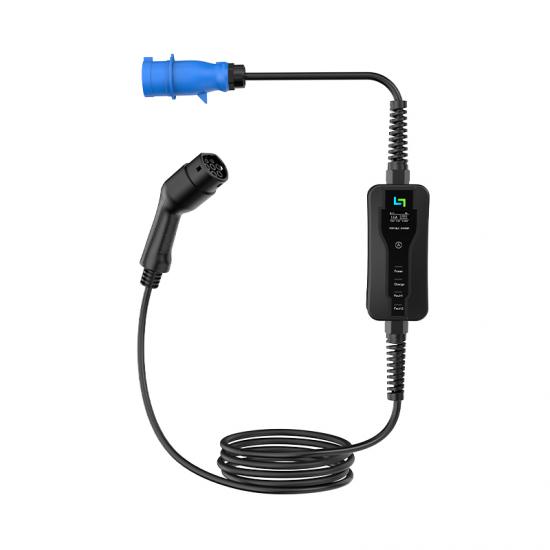
The Adjustable EV Charging Cable is another key component of our EV charging solutions. Designed for durability and ease of use, this cable allows you to easily switch between single-phase and three-phase charging systems. It is perfect for both home charging setups and public charging stations.


Our cables are built to withstand harsh weather and physical wear, making them ideal for long-term use in various environments. The flexibility of the adjustable cable ensures a reliable connection every time, and it allows users to adapt to different charging needs effortlessly.

  • Adjustable EV charging cable
  • Three-phase electric vehicle charging
  • EV Charger with Adjustable Current


B58 Gen2 EVO CNC Billet Intake Manifold A Game-Changer for BMW B58TU (48V) Engines

Hello, car enthusiasts! Today, we're diving deep into the world of high-performance engine components with a focus on the B58 Gen2 EVO CNC billet intake manifold. This piece of engineering marvel is designed specifically for BMW's B58TU engines, particularly those equipped with the 48V mild-hybrid system. Let's explore what makes this intake manifold a must-have upgrade for BMW owners.

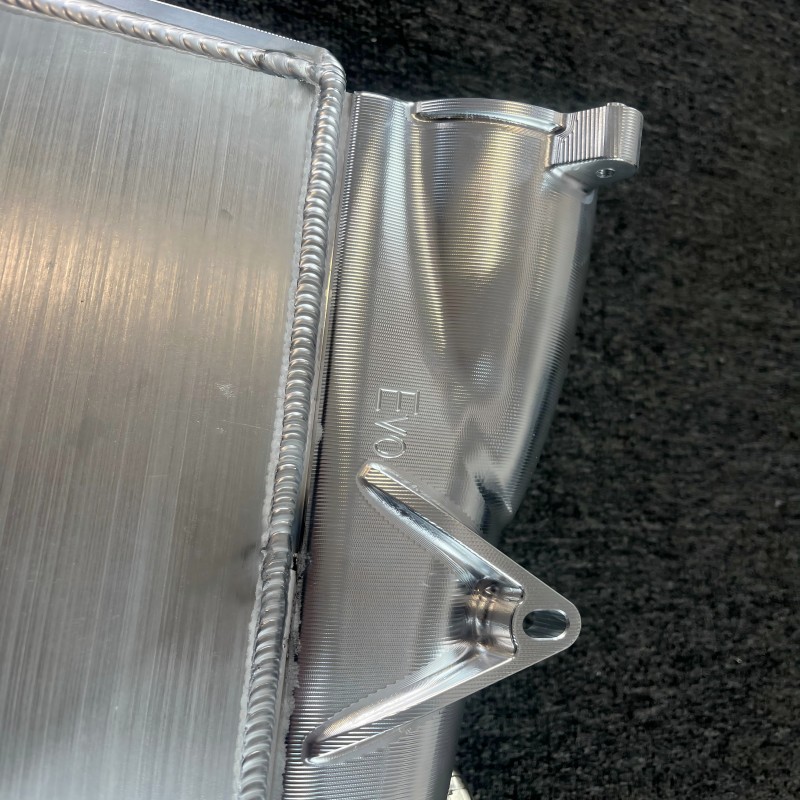
 B58 Gen2 EVO 48V intake manifold


Understanding the B58TU Engine

Before we delve into the specifics of the B58 Gen2 EVO intake manifold, let's quickly recap the B58TU engine. This updated version of BMW's iconic B58 engine incorporates several enhancements, including compatibility with 48V mild-hybrid systems, improved thermal management, and refined turbocharger technology. These upgrades make the B58TU not only more powerful but also more efficient and environmentally friendly.


Introducing the B58 Gen2 EVO CNC Billet Intake Manifold

The B58 Gen2 EVO intake manifold is a premium aftermarket solution designed to take your B58TU engine to the next level. Here are the key features that set it apart:

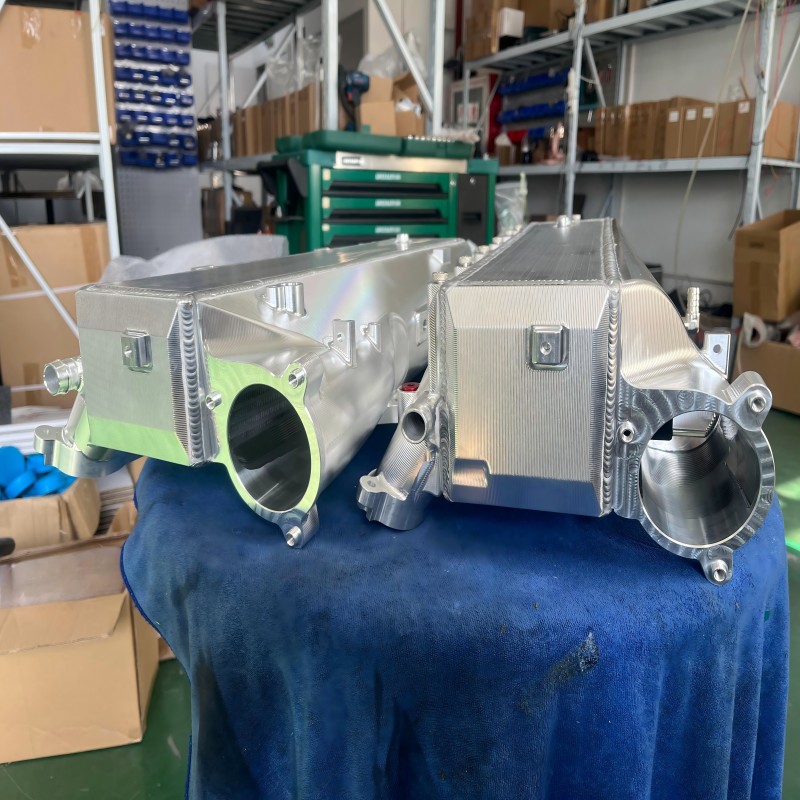
 B58 Gen2 EVO 48V intake manifold


Increased Heat Exchanger Capacity

One of the standout features of the B58 Gen2 EVO manifold is its enlarged heat exchanger core. Compared to the stock B58TU (48V) intake manifold, the EVO version boasts a 20% larger heat exchanger. This enhancement significantly improves the cooling efficiency, ensuring that the intake air remains at an optimal temperature. Cooler intake air means better combustion efficiency, which translates to more power and improved fuel economy.


Precision CNC Machining

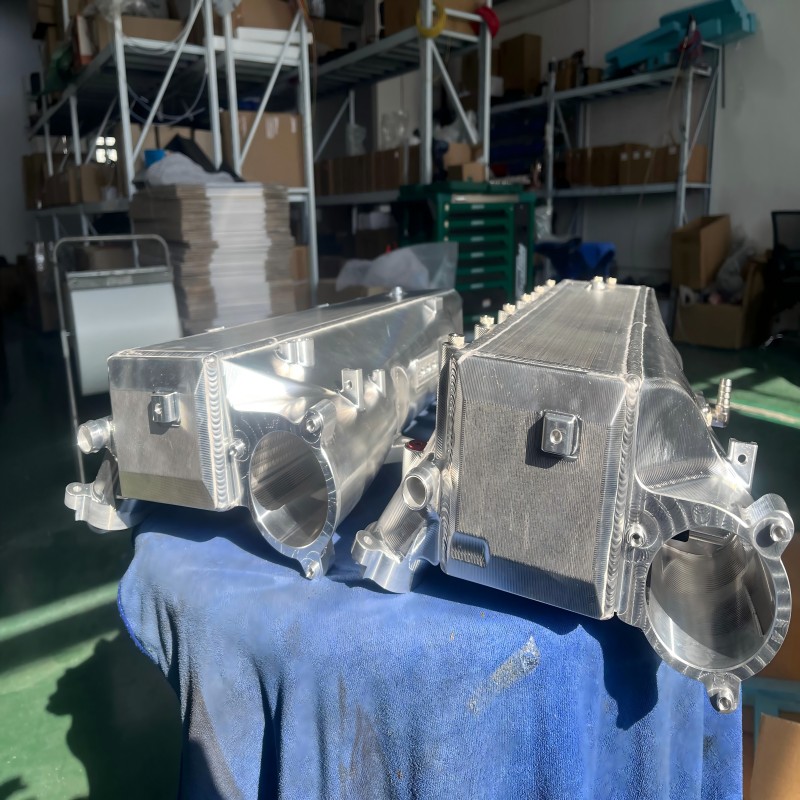
The intake manifold is crafted from high-quality billet aluminum using state-of-the-art CNC machining techniques. This ensures unparalleled precision and durability. The smooth, polished surfaces and optimized internal passages reduce turbulence, allowing for more efficient airflow into the engine. This not only boosts performance but also enhances the overall reliability of the component.

 B58 Gen2 EVO 48V intake manifold


Compatibility with BMW's 48V System

The B58 Gen2 EVO intake manifold is specifically designed to work seamlessly with BMW's 48V mild-hybrid system. This means you can enjoy the benefits of the upgraded intake without worrying about compatibility issues. The manifold is engineered to integrate perfectly with the vehicle's existing electrical architecture, ensuring a hassle-free installation.


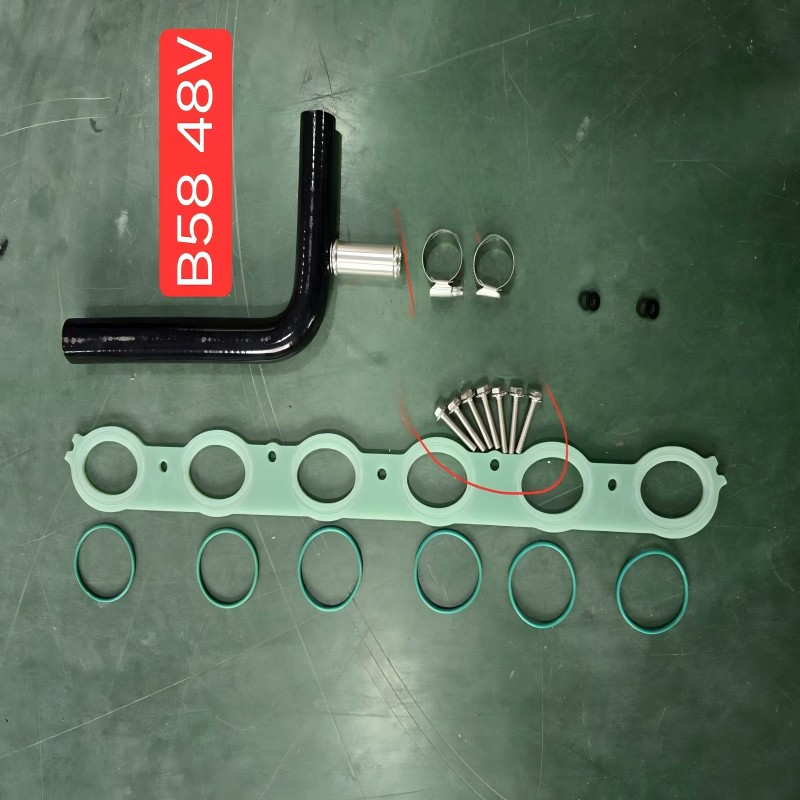
Included Gasket Set

To ensure a perfect seal and prevent any air leaks, the B58 Gen2 EVO intake manifold comes with a comprehensive gasket set. These high-quality gaskets are designed to withstand the rigors of high-performance driving, providing a reliable seal that keeps your engine running smoothly.


B58 Gen2 EVO 48V intake manifold


Performance Benefits

Upgrading to the B58 Gen2 EVO intake manifold offers several tangible benefits for your BMW:

  • Increased Power Output: The larger heat exchanger and optimized airflow passages result in a noticeable increase in horsepower and torque across the entire RPM range.
  • Improved Fuel Efficiency: By maintaining cooler intake air temperatures, the engine operates more efficiently, leading to better fuel economy.
  • Enhanced Throttle Response: The improved airflow and reduced turbo lag make for a more responsive driving experience. You'll feel the difference the moment you press the accelerator.
  • Longevity: High-quality materials and precision manufacturing ensure that the intake manifold will stand the test of time, providing consistent performance for years to come.


If you're looking to unlock the full potential of your BMW B58TU engine, the B58 Gen2 EVO CNC billet intake manifold is a fantastic investment. With its enlarged heat exchanger, precision machining, and seamless compatibility with BMW's 48V system, this intake manifold is designed to deliver both performance and reliability. Whether you're a track enthusiast or simply want to enhance your daily driving experience, the B58 Gen2 EVO is a must-have upgrade.


Are you ready to take your BMW to the next level? Check out the B58 Gen2 EVO CNC billet intake manifold today and experience the difference for yourself!

Celebrating Chinese New Year

Celebrating Chinese New Year: A Festive Journey into Spring


With its vibrant festivities and deep cultural significance, the Chinese New Year, also known as the Spring Festival, is a much-anticipated celebration in China and among Chinese communities worldwide. Steeped in traditions that span centuries, this holiday marks the beginning of the lunar calendar and is a time for family gatherings, delicious feasts, and vivid displays of color and light. In this blog post, we'll delve into the essence of the Chinese New Year, exploring its customs, legends, and the joyous atmosphere that envelops communities during this auspicious time of renewal and hope.

Origins and Legends:
The Chinese New Year has a rich history dating back thousands of years. Legend has it that the holiday originated from the ancient fight against the mythical beast Nian, who would terrorize villages. Over time, various customs and rituals have been incorporated into the celebration, all with the intention of warding off evil spirits and bringing good fortune. As the customs evolved, the Chinese New Year became a joyful expression of hope, unity, and the promise of a fresh start.

Preparations:
Preparations for the Chinese New Year begin well in advance, as families clean their homes to sweep away bad luck from the previous year. This cleaning ritual symbolizes the welcoming of good fortune and prosperity. Another essential tradition involves decorating homes with red lanterns, couplets, and intricate paper-cuttings, all of which symbolize happiness, good luck, and warding off evil spirits.

Reunion and Family Traditions:
The spirit of togetherness is the core essence of the Chinese New Year celebrations. Family members gather from near and far to honor their ancestors, make offerings, and pay respects at family altars. The reunion dinner, also known as "nianyefan," is a highlight of the festivities. This lavish meal features a wide variety of dishes, each with symbolic meaning, such as fish for abundance and dumplings for wealth.

Red Envelopes, Fireworks, and Dragon Dances:                                                                                          One beloved tradition during the Chinese New Year is the distribution of red envelopes, or "hongbao." Typically filled with money, these envelopes are given to children and unmarried individuals as a symbol of good luck and blessings for the coming year. Fireworks also play a significant role, with their explosive displays believed to drive away evil spirits. Dragon and lion dances captivate spectators as performers weave their way through the streets, accompanied by the rhythmic beats of drums and cymbals.

Lantern Festival:
The festivities of Chinese New Year conclude with the Lantern Festival, held on the fifteenth day of the lunar calendar. Parks and streets are adorned with beautiful lanterns of various shapes and sizes. Traditional performances, riddle games, and lantern displays create a magical atmosphere, marking the end of the Spring Festival celebrations.


The Chinese New Year is much more than a holiday; it represents a cultural tapestry woven with deep-rooted traditions and a boundless sense of hope and renewal. The joyous atmosphere, colorful decorations, and delectable feasts make this celebration a truly unforgettable experience. Whether you participate in the vibrant parades, share in the joy of family reunion, or immerse yourself in the captivating legends, the Chinese New Year invites people from all walks of life to embrace its warmth and be enthralled by the spirit of togetherness that transcends time and borders.


Complete Guide to Tesla Home Charging Options and NACS Connectors

Tesla vehicles are well-known for their sleek, minimalist interior design, dominated by a large central touchscreen that controls most of the car's functions. This modern and futuristic aesthetic is complemented by the advanced technology that Tesla integrates into its vehicles, including their renowned Supercharger network. Tesla's Supercharger network is one of the largest and most reliable fast-charging infrastructures globally, capable of adding up to 200 miles of range in about 15 minutes. This extensive network is seamlessly integrated with Tesla vehicles, making it incredibly easy for drivers to find and use chargers during long road trips.


While Tesla's Supercharger network is widely recognized, many Tesla owners and prospective buyers wonder if they can charge their vehicles using a standard EV home charger. The answer is yes—Tesla vehicles can indeed be charged using a variety of home charging solutions, including both fixed installations and portable units. However, there are a few important details to consider depending on the type of charger and connector being used.


1. Level 1 and Level 2 Chargers

Level 1 Charger: Tesla vehicles can be charged using a standard 120-volt household outlet, known as Level 1 charging. This method is the most basic form of charging and provides a slow charge, typically adding only a few miles of range per hour. It uses a mobile connector that comes with the vehicle, making it accessible but slower for daily use.


Level 2 Charger: For a faster and more efficient home charging option, a 240-volt Level 2 charger is the way to go. Level 2 chargers significantly reduce charging time compared to Level 1, adding about 25 to 30 miles of range per hour, depending on the model. In North America, these chargers typically feature the J1772 connector standard, which Tesla vehicles can use with the help of a simple adapter.


At our company, we specialize in offering high-quality Level 1 or Level 2 portable EV chargers that are versatile and convenient for Tesla owners. Our chargers can be configured with either a Type 1 or NACS connector, supporting up to 40A. This flexibility allows Tesla owners to enjoy the convenience of charging their vehicles wherever they go, whether at home, on the road, or in other locations where charging stations might not be available.


2. Tesla Connector Compatibility

Tesla Wall Connector: Tesla's proprietary Wall Connector is specifically designed for Tesla vehicles and offers the highest charging speeds available at home. Hardwired into a 240-volt circuit, it delivers up to 44 miles of range per hour for certain models, providing a seamless charging experience.


Non-Tesla EV Charger: If you have a non-Tesla home charger that uses the J1772 connector, you can still charge your Tesla using the J1772 adapter that comes with every Tesla vehicle. This compatibility means that Tesla owners can use most Level 2 home chargers available on the market, offering flexibility and convenience.


In addition to our portable chargers, our company has also developed advanced NACS AC and DC EV connectors that support up to 80A. These connectors are designed to meet the growing demand for fast and efficient charging solutions, ensuring that your Tesla—and other EVs—can be charged quickly and safely.


3. NACS (North American Charging Standard)

Tesla has developed the North American Charging Standard (NACS), which is used across its vehicles. As more automakers and charging infrastructure providers adopt NACS, this connector is poised to become a standard across the industry. The growing adoption of NACS simplifies the charging experience for Tesla owners and potentially other EV owners in the future, making it easier to access a broad range of charging options without needing multiple adapters.


Our NACS connectors, available for both AC and DC charging, are designed to meet these industry standards and are ideal for those looking to future-proof their home or commercial charging setup. By supporting up to 80A, these connectors ensure rapid charging times, allowing you to get back on the road as quickly as possible.


4. Smart Charging Features

Many modern EV home chargers, including Tesla’s, are equipped with smart features that allow users to schedule, monitor, and control their charging sessions remotely. Tesla owners can take full advantage of these features through the Tesla app, which provides real-time monitoring, scheduling options to benefit from time-of-use electricity rates, and notifications about charging status. This integration adds another layer of convenience, making home charging a seamless part of Tesla ownership.


Our portable EV chargers also come with smart charging features, enabling you to control and monitor your charging sessions through a user-friendly interface. Whether you’re at home or on the go, you can easily manage your charging schedule, ensuring that your Tesla is always ready when you are.


Conclusion

In summary, Tesla vehicles can be charged using both Tesla’s proprietary home chargers and most non-Tesla home chargers with the help of an adapter. Our company offers a range of portable EV chargers with Type 1 or NACS connectors, supporting up to 40A for Level 1 and Level 2 charging. Additionally, our NACS AC and DC EV connectors, which support up to 80A, provide a fast and efficient charging solution that meets the needs of today’s EV owners. Whether you opt for the Tesla Wall Connector for the fastest home charging experience or use one of our versatile portable chargers, you can enjoy the convenience of charging your Tesla at home, on your schedule.