How to Maintain Your Undercarriage Parts ?

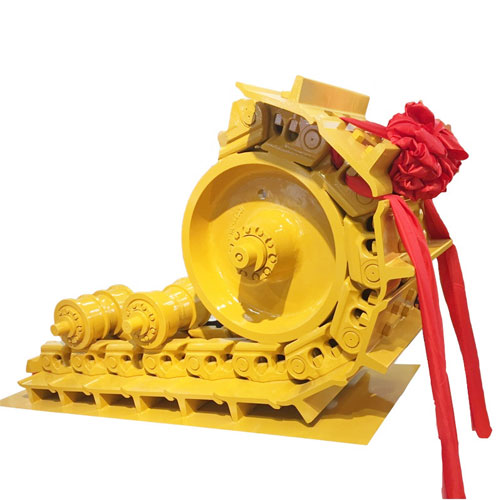
Undercarriage parts have a huge effect on working performance and walking performance of excavator. Maintenance is a key to walking speed of excavator. How to maintain your “undercarriage parts”? There are some tips as following.


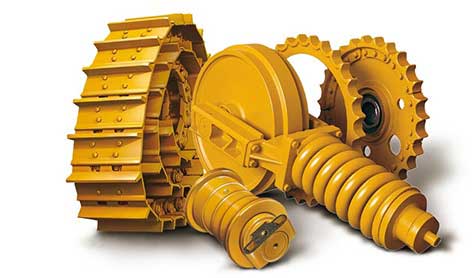
1. Carrier Roller is above the track frame. The function is to carry and keep the track moving in a straight line. If Carrier Roller has a breakdown, Track Link will not work properly. Carrier Roller is added lubricating oil at once. If oil spills occur, you will have to replace this part. Therefore, you should keep the track frame clean. Don’t let the accumulation of dirt and gravel hamper its work.


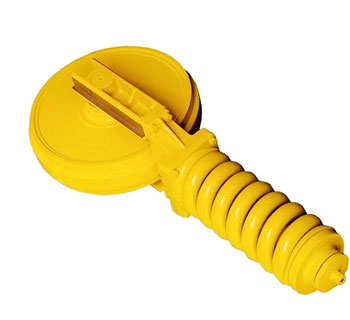
2. Front Idler is in the front of the track frame. The function is to prop the track up and guide the track to wind correctly. Besides, Front Idler and Track Adjuster work together to maintain a certain degree of tension on the track. So during working and walking, should keep Front Idler running ahead, which can avoid the wear of the track. Meanwhile, Track Adjuster can reduce the vibration and shedding of the track during walking.


Excavator Undercarriage Parts3. Sprocket is in the back of the track frame. Because it is fixed on the track frame, it has no shock absorption function. If sprocket moves forward, it will not only cause the abnormal wear of Sprocket and the track, but also have adverse effects on the track frame. The track frame may have early cracking.

4. During working, Track Roller can’t be immersed in mud for a long time. After working, should support the track on one side. Then, Drive walking motor to get rid of dirt and gravel. In winter, should keep Track Roller dry because there is a floating seal between the outer roller of Track Roller and the shaft. If there is water, it will freeze at night. When the excavator is walking the next day, the floating seal is in contact with ice to cause oil spill. When Track roller is damaged, can cause many faults, such as walking deviation, walking weakness and so on.

5. The track motor guard can protect the motor. However, the dirt and gravel also can enter the interior, which making the oil tube of the motor wear out. Moisture in the dirt will corrode the joint of the oil tube, so regularly open the guard and clean up the dirt inside.

How to Maintance Oil Track Link?

Maintaining the oil track link for a bulldozer involves several steps. Here's a general guide on how to perform maintenance on the track link:


1. Clean the Track Link: Start by removing any dirt, debris, or mud that has accumulated on the track link. Use a high-pressure water hose or a pressure washer to wash away the grime. Ensure that the track link is thoroughly cleaned before proceeding to the next steps.


2. Inspect for Damage: Carefully inspect the track link for any signs of damage, such as cracks, excessive wear, or looseTrack link maintance components. Look for any bent or broken track links. If any issues are identified, they should be addressed promptly by replacing or repairing the damaged parts.


3. Lubricate the Track Link: Apply a suitable lubricant or oil specifically designed for the track link. Most bulldozer track links have oil seals and lubricating points. Follow the manufacturer's recommendations regarding the type of lubricant to use and the lubrication intervals. Apply the lubricant evenly to all moving parts of the track link, such as pins, bushings, and rollers.


4. Check Tension and Alignment: Ensure that the track link is properly tensioned and aligned. Too loose or too tight track links can lead to premature wear and reduce machine efficiency. Refer to the bulldozer's manual for the recommended tension specifications, and adjust the track link accordingly.


5. Monitor Wear: Regularly monitor the wear of the track link components. Pay attention to the condition of the track shoes, rollers, and sprockets. Excessive wear may indicate the need for replacement and should be addressed promptly.


6. Track Link Adjustment: If the track link becomes too loose during operation, it will affect the machine's performance and increase the risk of damage. Regularly check the track link for proper tension and make adjustments if necessary. Follow the instructions provided in the bulldozer's manual for adjusting the track link tension.


7. Regular Inspections: Perform routine inspections of the track link and other undercarriage components to identify any potential issues early. This includes checking for loose or damaged bolts, abnormal wear patterns, and oil leaks. Promptly address any problems found during the inspections.


Remember to consult the specific maintenance guidelines provided by the bulldozer's manufacturer for detailed instructions and recommendations tailored to your machine. Adhering to regular maintenance schedules and best practices will help ensure the optimal performance and longevity of the bulldozer's track link.

Maximizing Excavator Performance with High-Quality Bottom Track Rollers, Sprockets, and Ground Engaging Tools

Introduction

In the heavy machinery industry, excavators play a crucial role in construction, mining, and earthmoving projects. To maintain peak efficiency and longevity, high-quality undercarriage components are essential. Among these, Bottom Track Rollers, Sprockets and Segments, and Ground Engaging Tools (GET) significantly impact an excavator’s performance, durability, and operational costs.

In this article, we will explore how these key components contribute to the efficiency of excavators, why high-quality materials and precision engineering matter, and how choosing the right supplier can enhance your machine’s productivity and lifespan.


1. Bottom Track Rollers: The Foundation of a Reliable Undercarriage

Bottom track rollers, also known as lower rollers, are vital components in an excavator’s undercarriage system. These rollers support the weight of the machine and ensure smooth movement across different terrains.

Key Benefits of High-Quality Bottom Track Rollers:

  • Enhanced Durability – Made from hardened steel and treated with heat-resistant coatings, premium track rollers withstand extreme working conditions.

  • Reduced Wear and Tear – Precision engineering reduces friction and wear, extending the service life of both the rollers and the track chain.

  • Better Load Distribution – Properly designed rollers evenly distribute machine weight, minimizing stress on the undercarriage.

Signs of Worn-Out Track Rollers:

  • Excessive noise and vibration during operation.

  • Uneven track tension leading to misalignment.

  • Visible cracks, dents, or flattening of the roller surface.


2. Sprockets and Segments: Power Transmission for Optimal Performance

Sprockets and segments play a critical role in transferring power from the engine to the tracks, driving the excavator forward with precision.

Why High-Quality Sprockets Matter:

  • Superior Material StrengthForged and heat-treated materials increase wear resistance and toughness.

  • Extended Track Life – Properly matched sprockets minimize stress on track links, reducing premature failure.

  • Improved Efficiency – Well-designed sprockets reduce energy loss and enhance fuel efficiency.

When to Replace Your Sprockets and Segments:

  • Worn-out or hooked teeth.

  • Uneven wear on the track links.

  • Decreased machine performance or track slippage.


3. Ground Engaging Tools (GET): Maximizing Digging Efficiency

Ground Engaging Tools (GET) are the front-line components of an excavator that directly interact with soil, rock, and other materials. These include bucket teeth, cutting edges, rippers, and shanks.

Benefits of High-Quality Ground Engaging Tools:

  • Enhanced Productivity – Sharper, durable GET components increase digging efficiency and penetration.

  • Lower Operating Costs – Tougher materials reduce frequent replacements, cutting downtime and expenses.

  • Improved Safety – Well-maintained GET ensures smooth operation, reducing stress on the machine and operator.

Common Signs of Worn-Out GET:

  • Blunt or broken bucket teeth.

  • Uneven cutting edges.

  • Reduced digging performance and increased fuel consumption.


Choosing the Right Supplier for Excavator Parts

Not all excavator parts are created equal. Choosing a reliable supplier ensures you receive high-quality components that extend machine lifespan, reduce maintenance costs, and improve productivity.

At Yint Parts, we specialize in manufacturing premium Bottom Track Rollers, Sprockets and Segments, and Ground Engaging Tools designed for superior performance in demanding conditions. Our products are made using advanced materials and cutting-edge manufacturing techniques, ensuring durability, reliability, and cost-effectiveness.

Why Choose Yint Parts?

High-Quality Materials – Precision-engineered with industry-leading materials. ✅ Strict Quality Control – Rigorous testing ensures durability and performance. ✅ Wide Compatibility – Designed to fit various excavator brands and models. ✅ Competitive Pricing – High-value products at cost-effective rates.


Conclusion: Invest in Quality for Long-Term Excavator Performance

Ensuring your excavator is equipped with durable and high-performing Bottom Track Rollers, Sprockets and Segments, and Ground Engaging Tools is crucial for maximizing productivity and reducing operational costs. Regular inspections, timely replacements, and sourcing from a trusted supplier like Yint Parts will keep your machines running smoothly and efficiently.


The role of heat treatment in the manufacture of steel products


Heat treatment plays a crucial role in the manufacture of steel products. It involves subjecting steel materials to a controlled heating and cooling process to alter their microstructure and properties. The primary objectives of heat treatment are to improve the mechanical properties, enhance the material's performance, and achieve desired characteristics. Here are some specific roles and benefits of heat treatment in steel manufacturing:


Hardening: Heat treatment techniques such as quenching and tempering can be used to increase the hardness and strength of steel. This is particularly beneficial for components that require high wear resistance, such as cutting tools, gears, and bearings.


Annealing: Annealing involves heating the steel to a specific temperature and then slowly cooling it to soften the material and relieve internal stresses. It improves the machinability, ductility, and toughness of the steel. Annealing is commonly used for components that need to be easily formed or welded, such as sheet metal, rods, and wire.


Stress Relief: Welded or mechanically processed steel components often develop residual stresses that can lead to distortion or reduced mechanical properties. Heat treatment can help relieve these stresses, enhancing the dimensional stability and preventing failures.


Transformation of Microstructure: Heat treatment alters the microstructure of steel, which directly influences its mechanical properties. Processes like quenching, tempering, and austenitizing cause phase transformations that result in desired structures such as martensite, pearlite, or bainite. This, in turn, affects the material's hardness, strength, toughness, and ductility.


Case Hardening: Case hardening treatments like carburizing and nitriding create a hard, wear-resistant surface layer on the steel while retaining the toughness of the core. This is useful for applications where resistance to wear, fatigue, and surface contact is necessary, such as gears, shafts, and camshafts.


Dimensional Stability: Heat treatment can help improve the dimensional stability of steel components, reducing the risk of distortion or dimensional changes that may occur during subsequent machining or usage.


Grain Refinement: Heat treatment can refine the grain structure of steel, resulting in finer grains. This can enhance the material's strength, toughness, and fatigue resistance, particularly in high-stress applications.


It's important to note that the specific heat treatment process and parameters depend on the type of steel, desired properties, and intended application of the final product. Skilled heat treatment practitioners follow established standards, procedures, and control measures to ensure consistent and reliable results in the treated steel products.


YinTai is specialized in the complete set of bulldozer and excavator spare parts,including track chain,track Shoe,track roller,idler,sprocket,etc.We won good reputation around the world.Trustworthy. Welcome to consult!

Track Chain Tension Plays an important Role in Undercarriage

Track-chain tension adjustment is the most controllable factor in undercarriage wear life. The accurate track sag of many crawler machines is 2 inches. Due to the complicated ground conditions, Track tension changes with many variations. You should clean out your tracks in daily life.

Track Chain Tension


Cleaning track: Remove out between the track and the roller frame with a shovel, preferably when the packed

material is still wet.


During working, stuck and packed materials between mating components such as rollers, links, sprocket teeth, and bushings improve track tension degree. So tension needs to be adjusted any time packing in the track chain changes.


When crawl machines go along, it should tighten the track up, so getting them cleaned out and adjusted is the important point to undercarriage life.


To measure track-chain tension:


* Roll the machine forward slowly and allow it to roll to a stop.

* Center a track pin over the carrier roller.

* Lay a straightedge or stretch a string over the track grousers.

* Measure sag between the straight edge and grouser tip where the track sags the lowest.


The track adjuster is a grease-filled hydraulic cylinder used to maintain track tension. To adjust track tension, add grease or remove grease from the track adjuster. Eliminating pitch extension, or chain stretch slows sprocket tooth wear and bushing outside-diameter wear.


What is the function of the Excavator track chain?

The excavator track chain, also known as the track link assembly, is a vital component in an excavator’s undercarriage. Its primary functions are closely related to those of track chains in general for tracked vehicles, but with specific considerations for excavators. Here are the main functions of the excavator track chain:


Weight Distribution and Stability:

Like other track chains, the excavator track chain helps distribute the machine’s weight over a larger surface area. This is crucial for preventing the excavator from sinking into soft or uneven terrain and contributes to overall stability during operation.


Traction and Mobility:

The excavator track chain provides traction, enabling the excavator to move efficiently across various terrains. It is particularly important in excavation sites where the ground may be uneven or consist of loose soil, rocks, or other challenging conditions.


Support for the Track Shoes:

The track chain supports the track shoes, which are the components that come into direct contact with the ground. The track shoes help to further distribute the weight of the excavator and provide additional traction.


Durability and Resistance to Wear:

Excavators are subjected to demanding working conditions, and the track chain is designed to be durable and resistant to wear. It must withstand the stress and abrasion associated with digging, loading, and maneuvering in harsh environments.


Ease of Maintenance:

Excavator track chains are designed to be easily maintained. Regular inspection, lubrication, and replacement of worn components are essential to ensure optimal performance and longevity of the undercarriage.


Adjustability:

Some excavators are equipped with an adjustable track tensioning system. This allows operators to adjust the tension in the track chain, ensuring proper track alignment and minimizing premature wear on components.


Smooth Operation:

A well-maintained and properly tensioned track chain contributes to the smooth operation of the excavator. It allows for precise control during digging, lifting, and other tasks, enhancing the overall efficiency of the machine.

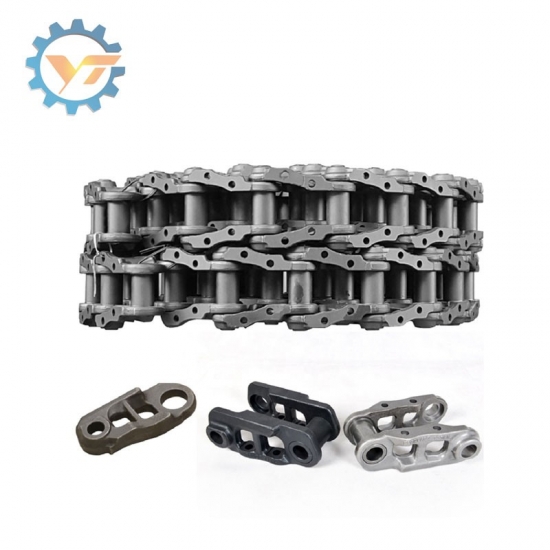
Track Chain 9W9353 Track Chain 49 Links Excavator Spare Parts

In summary, the excavator track chain is a critical component that supports the excavator's weight, provides traction, and contributes to the machine's stability and mobility. Regular maintenance and proper tensioning are essential for ensuring the longevity and optimal performance of the excavator's undercarriage.


YinTai offers many types of track links and offer customized products. We use advanced machining center, horizontal and vertical CNC machining, heat-treatment equipment to execute processes. OEM standard! binochen@yintparts.com


How Will the Growth of New Energy Vehicles Drive Demand for Coolant Circulation Pumps

The Future Trends of Global New Energy Vehicles and the Growing Demand for Coolant Circulation Pumps


As the world accelerates its transition to cleaner and more sustainable energy solutions, new energy vehicles (NEVs) have emerged as one of the most promising technologies to reduce carbon emissions. The rise of electric vehicles (EVs) and hybrid vehicles is transforming the global automotive industry, with significant implications for various components, including coolant circulation pumps. This blog explores the future trends of NEVs, the growing demand for coolant circulation pumps, and the production base distribution and technological advantages of these pumps.

Global Trends in New Energy Vehicles (NEVs)


New energy vehicles, which primarily include electric vehicles (EVs), hybrid vehicles (HEVs), and plug-in hybrid vehicles (PHEVs), are experiencing rapid growth globally. According to industry reports, the global EV market is expected to reach nearly 40 million units by 2040, with EVs accounting for more than 50% of global car sales by 2035. This shift is driven by government incentives, stricter emission regulations, and increasing consumer demand for greener, more energy-efficient transportation options.


In addition to the increased adoption of electric vehicles, the market for hydrogen fuel cell vehicles (FCVs) and autonomous electric vehicles is also expanding. These advancements are fueled by innovations in battery technology, charging infrastructure, and vehicle design. As a result, the automotive industry is witnessing a significant transformation toward more sustainable and efficient transportation solutions.


The Growing Demand for Coolant Circulation Pumps


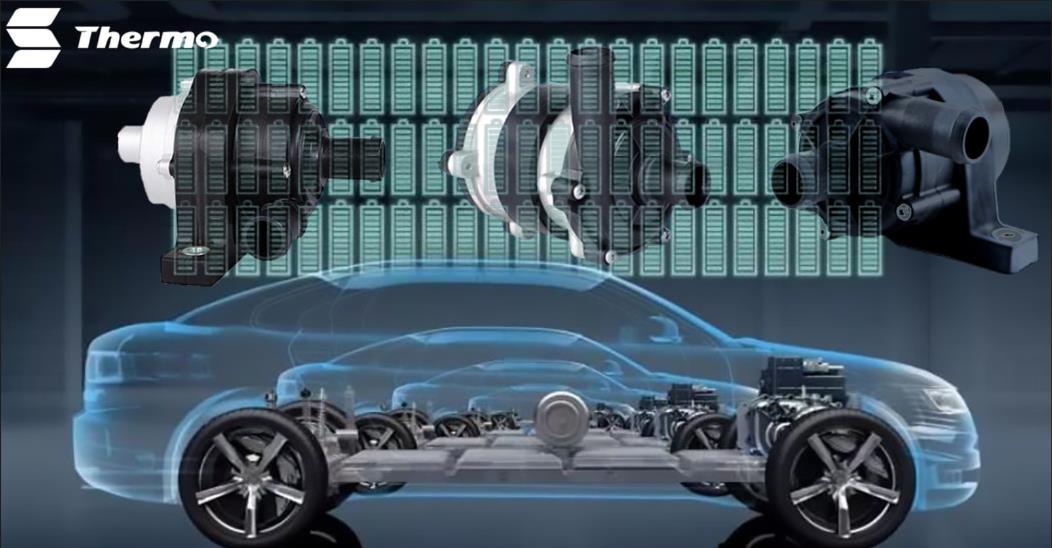
With the rise of NEVs, the demand for coolant circulation pump is also on the rise. These pumps play a crucial role in maintaining optimal operating temperatures for electric and hybrid vehicle systems, including batteries, power electronics, and electric motors. Efficient thermal management is essential to ensure the safety, performance, and longevity of these components.

In traditional internal combustion engine (ICE) vehicles, the engine itself generates heat that is managed through a liquid coolant system. In contrast, NEVs require advanced cooling solutions for high-voltage battery packs, inverters, and other electrical components, which operate at much higher temperatures. As a result, coolant circulation pumps that can provide precise temperature control and maintain the efficiency of these systems are in high demand.


Furthermore, the growing popularity of electric vehicles with higher performance capabilities, such as fast-charging EVs, has increased the need for more efficient cooling solutions. Coolant circulation pumps help to manage the heat generated during rapid charging and discharging, ensuring that the battery operates within safe temperature limits.


Technological Advantages of Coolant Circulation Pumps


The growing demand for car coolant pump has spurred significant technological advancements in pump design and manufacturing. Modern coolant pumps for NEVs are more energy-efficient, durable, and compact than their traditional counterparts. Key technological advantages include:


1. Brushless DC Motor Technology: Coolant circulation pumps for NEVs often utilize brushless DC (BLDC) motors, which offer higher efficiency, quieter operation, and longer lifespan compared to traditional brushed motors. BLDC motors are also more energy-efficient, reducing the overall power consumption of the vehicle's cooling system.


2. Smart Control Systems: Many modern coolant pumps are equipped with advanced control systems that enable real-time monitoring of temperature and flow rates. These systems ensure that the pump operates optimally, adjusting the coolant flow based on temperature fluctuations to maintain consistent performance.


3. Compact and Lightweight Design: With space and weight being critical factors in electric vehicle design, coolant circulation pumps are becoming more compact and lightweight. These pumps are engineered to fit into tight spaces within the vehicle while maintaining high-performance standards.


4. Corrosion-Resistant Materials: Coolant circulation pumps used in EVs are often made from corrosion-resistant materials to ensure durability and long-term performance, even in harsh operating conditions.


5. High-Temperature Resistance: As EVs continue to push the limits of performance, coolant pumps are being designed to handle higher temperatures, ensuring that battery packs and power electronics remain cool under heavy loads.

 automotive coolant pumps

Conclusion

The global shift toward new energy vehicles is reshaping the automotive industry, and with it, the demand for efficient cooling solutions like coolant circulation pumps. As electric vehicles and hybrid vehicles become more prevalent, the need for advanced, energy-efficient pumps will continue to grow. Manufacturers are responding with cutting-edge technologies that offer enhanced performance, reliability, and energy efficiency, ensuring that coolant circulation pumps play a critical role in the success of NEVs worldwide.


As the demand for new energy vehicles continues to rise, the global production of coolant circulation pumps is poised to expand, with key manufacturing hubs in China, Europe, and North America driving innovation and meeting the needs of the growing market.


Why Choose Brushless DC Pumps for Your Energy-Efficient Solutions?

Introduction to Brushless DC Pump Applications: Innovative Solutions for Efficiency and Performance


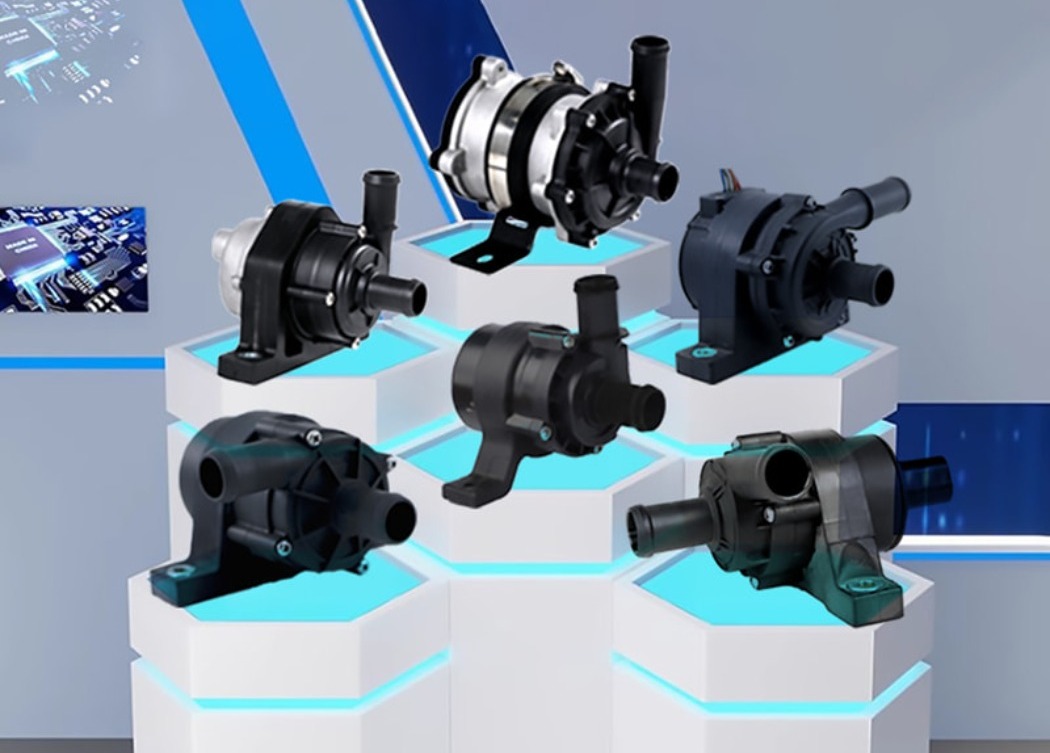
With the growing demand for energy efficiency, sustainability, and smart technology, Brushless DC Pumps (BLDC pumps) have become a game-changer in various industries. Known for their high performance, low noise, and long lifespan, BLDC pumps are widely used in applications ranging from water heating systems to electric vehicle cooling. As a professional manufacturer of BLDC pumps, Thermo Pump is committed to providing high-quality pumps to meet diverse customer needs across various industries.


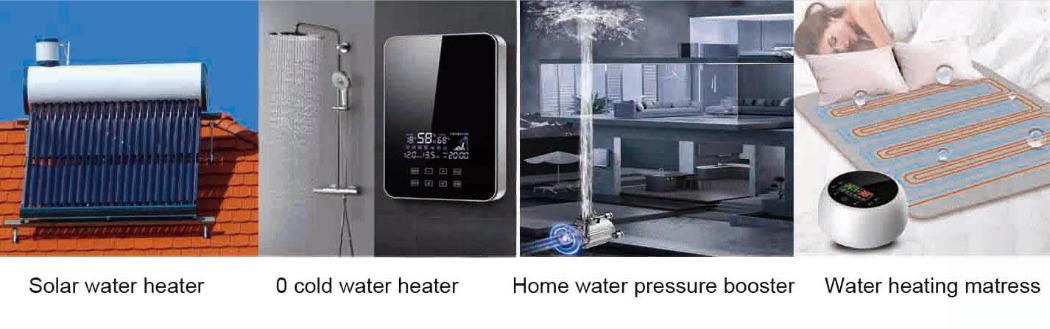
1. Water Heaters and Hot Water Re-circulation Systems


In water heating systems, BLDC pumps play a crucial role in efficiently circulating water, ensuring fast and consistent water flow while maintaining a stable temperature. Cold water recirculation pumps are ideal for hot water recirculation because of their low energy consumption and quiet operation. Water recirculation pump offer an innovative solution that prevents the waste of cold water and provides immediate access to hot water.


Advantages:

· Energy Efficient: BLDC pumps have higher efficiency compared to traditional AC pumps, reducing energy consumption.

· Low Noise: With sound levels as low as ≤25dB @ 1M, BLDC pumps are perfect for residential and office environments.

· Long Lifespan: The lack of brushes reduces mechanical wear, extending the lifespan of the pump.

micro dc pump used in home appliances


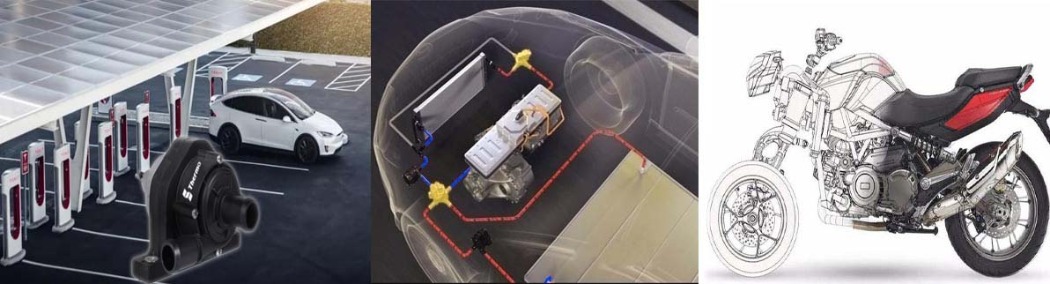
2. Electric Vehicles (EV) and EV Charging System Cooling


With the rapid growth of the electric vehicle (EV) market, BLDC pumps are increasingly used in EV battery cooling and charging systems. Car coolant pump provide an efficient liquid cooling solution to control the battery temperature, extend battery life, and improve charging efficiency. Their small size and energy efficiency make them ideal for automotive applications.


Advantages:

· Efficient Cooling: BLDC pumps precisely control the coolant flow, ensuring batteries remain within safe temperature ranges during charging.

· Heat Resistance: These pumps are designed to withstand high operating temperatures, making them suitable for EV battery cooling.

· Compact Design: The small size of BLDC pumps allows easy installation in the limited space within electric vehicles, saving space while maintaining performance.

coolant pump application for electric vehicle


3. Smart Home and Intelligent Toilet Systems


BLDC pumps are widely used in smart home systems, particularly in intelligent toilets. In smart toilets, smart toilet pumps are responsible for providing precise water flow control, enhancing flushing efficiency while maintaining quiet operation. Other smart home applications, such as HVAC systems, water-heated mattresses, and refrigerators, also benefit from the efficiency and reliability of BLDC pump motor.


Advantages:

· Precise Control: BLDC pumps allow precise control of speed and flow, adapting to various needs.

· Silent Operation: Their quiet nature makes them ideal for use in bathrooms and bedrooms where noise is a concern.

· Smart Compatibility: BLDC pumps are compatible with smart home systems, allowing for automated adjustments and remote control.

micro dc pump for home


4. Car Refrigerators and Portable Ice Makers


Micro dc pumps are also used in car refrigerators and portable ice makers, providing reliable cooling solutions. These devices require pumps that can operate continuously and efficiently, and small DC pumps are the perfect solution due to their low power consumption and high efficiency. In particular, for car applications, water pump bldc motor ensure long-lasting performance with minimal energy usage.


Advantages:

· Low Power Consumption: BLDC pumps have very low power consumption, making them ideal for continuous operation in battery-powered devices.

· High Efficiency: They efficiently circulate the coolant to ensure stable cooling performance in refrigerators and ice makers.

· Adaptability: BLDC pumps are designed to operate in diverse environments, ensuring reliable performance even in fluctuating temperatures.

FDA mini water pump applications


5. Automotive Air Conditioning Systems


In modern automotive air conditioning systems, coolant circulation pumps are used for circulating coolant in both water cooling systems and AC refrigerant cycles. Small coolant pump provide stable and efficient coolant flow, ensuring that the air conditioning system works optimally, particularly in electric vehicles where energy efficiency is critical.


Advantages:

· Efficient Cooling: BLDC pumps ensure a steady flow of coolant, maintaining optimal performance in air conditioning systems.

· Durability: These pumps are designed to operate under high stress, ensuring long-term reliability and performance.

· Energy Saving: BLDC pumps reduce energy consumption, particularly important in electric vehicles where battery life is crucial.

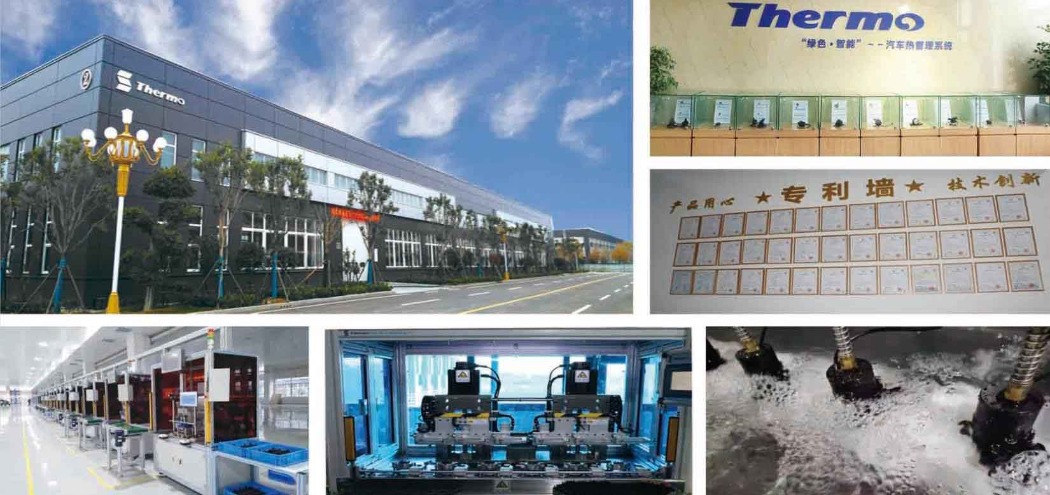
Thermo Pump Factory


Conclusion


Thermo Brushless DC pumps (BLDC pumps) offer a range of benefits, including high efficiency, low noise, and long lifespan, making them ideal for use in various applications. From water heaters to electric vehicles, smart homes to car refrigerators, Thermo micro dc pumps provide innovative fluid management solutions that meet the demands of modern industries.


If you are looking for high-performance, energy-efficient, and reliable pump solutions, Thermo mini water pumps are your best choice. Contact us today to learn more about our products and customized solutions. We are here to help you succeed with our cutting-edge pump technologies!

Why is DC Pump preferred over AC Pump?

Water pumps are essential components in various industries, from residential water systems to industrial applications, and their efficiency and performance have a direct impact on operational costs and sustainability. Over the years, pump technology has evolved significantly, with DC (Direct Current) pumps and AC (Alternating Current) pumps being the two primary types in the market. While AC pumps have traditionally been the standard due to their stability and cost-effectiveness, DC pumps have gained significant traction in recent years thanks to advancements in energy efficiency, compact design, and precise control features. Market trends reflect a growing demand for energy-efficient and environmentally friendly solutions, driven by both consumer preferences and stringent environmental policies globally. As businesses and governments alike focus on reducing carbon footprints and enhancing the efficiency of energy use, DC pumps are expected to play an increasingly important role in sectors such as residential water heating, electric vehicles, and renewable energy systems. This shift in demand is further influenced by historical advancements in motor technology, changing user needs for more versatile and cost-effective solutions, and the ongoing development of policies favoring sustainable technologies.
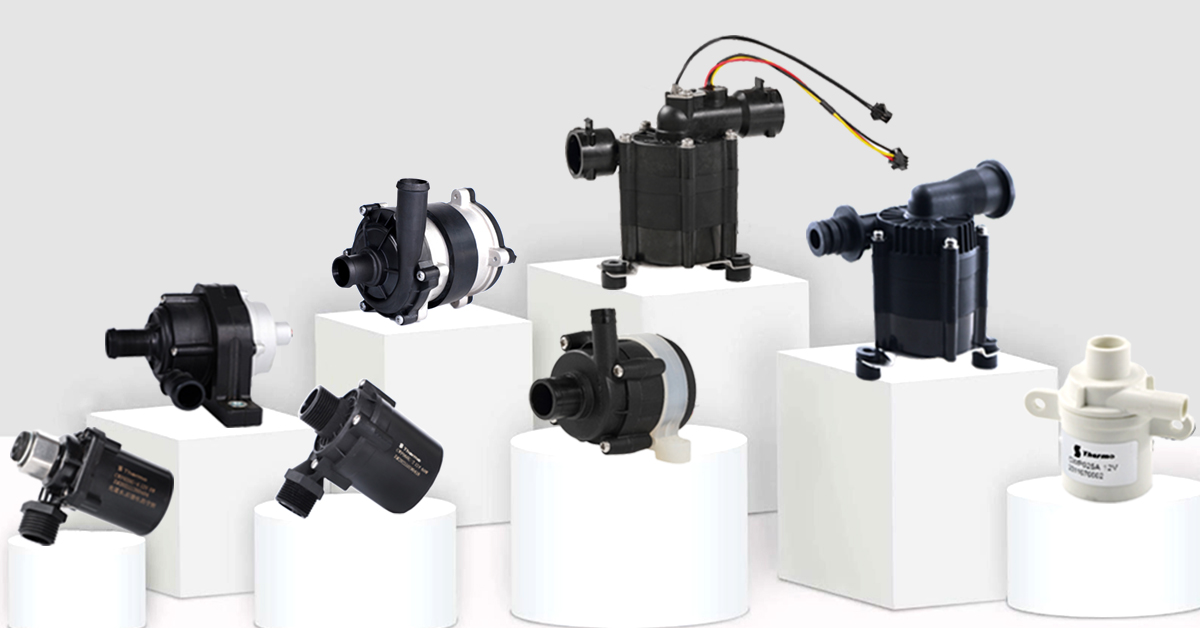
 Thermo BLDC water pump

1. Working Principle

· DC Pumps: These pumps use a DC power supply and control the motor speed through an electronic controller, providing high-speed adjustment accuracy. DC pumps typically use permanent magnet motors, making them compact and efficient.

· AC Pumps: These pumps use an AC power supply, with the motor generating torque from alternating current. AC pumps generally require more complex control systems and often need frequency converters to adjust the speed.


2. Efficiency and Energy Consumption

· DC Pumps: DC pumps are generally more energy-efficient because they use permanent magnet motors and can adjust the speed according to the load. As a result, they are more energy-efficient at lower loads compared to AC pumps.

· AC Pumps: AC pumps typically have lower efficiency, especially under varying loads, leading to higher energy consumption.


3. Speed Control

· DC Pumps: DC pumps offer excellent speed control by adjusting voltage or current, making them highly flexible for applications that require frequent flow rate adjustments.

· AC Pumps: Speed control in AC pumps is more complex and typically requires additional equipment like variable frequency drives (VFDs), making them less flexible and precise compared to DC pumps.


4. Lifespan and Maintenance

· DC Pumps: DC motors usually is brushesless motor, so maintenance is low, and the lifespan is relatively long.

· AC Pumps: AC motors often require periodic maintenance, such as replacing brushes, and may have a shorter lifespan due to internal wear.


5. Cost

· DC Pumps: DC pumps are generally more expensive to manufacture due to their advanced motor technology, but they can save energy and maintenance costs in the long run.

· AC Pumps: AC pumps are less expensive to manufacture but tend to incur higher operational and maintenance costs over time.


6. Noise

· DC Pumps (Brushless DC Pumps): Low Noise Levels, One of the standout features of DC pumps, particularly brushless DC pumps (BLDC), is their ultra-quiet operation. The brushless design reduces mechanical wear and tear, leading to less vibration and noise generation. Additionally, the precise electronic control used to adjust the speed of DC pumps contributes to smoother and quieter operation compared to AC pumps.

· AC Pumps: Higher Noise Levels: AC pumps tend to generate more noise due to their electromagnetic induction and the presence of brushes in traditional AC motors (in some older models). The rotating magnetic field and mechanical components can result in vibrations that contribute to higher noise levels, especially when the pump operates at higher speeds or under varying load conditions.


7. Market Applications

· DC Pumps: Due to their higher efficiency, precise speed control, and compact size, DC pumps are widely used in:

Water circulation systems (e.g., household water heaters, HVAC systems, solar water pumps)

o Automotive cooling systems (e.g., electric vehicle cooling pumps, air conditioning pumps)

Smart home devices (e.g., smart toilets, electronic heating systems)

With the growing demand for energy efficiency and sustainability, DC pumps are gaining traction, especially in the fields of home automation, electric vehicles, and renewable energy systems.

· AC Pumps: AC pumps are commonly used in traditional large-scale industrial systems, commercial HVAC systems, and long-term, continuous operations. They are reliable and stable, especially for high-flow or high-power applications.


8. Future Market Trends

· DC Pumps Market Trend:

High Growth Potential: DC pumps are expected to see continued growth in applications such as water circulation, air conditioning, and electric vehicles due to their energy efficiency and performance.

Smart Integration: The integration of IoT (Internet of Things) and AI (Artificial Intelligence) in DC pumps will enable remote monitoring, intelligent adjustment, and predictive maintenance, further increasing their market appeal.

Miniaturization and Integration: With advancements in technology, DC pumps will become more compact and integrated, suitable for use in smaller devices and systems.


· AC Pumps Market Trend:

Stable Demand: AC pumps will continue to dominate in traditional industries where high flow rates and continuous operation are essential, such as large industrial systems and commercial HVAC.

Transition to Energy Efficiency: As energy efficiency becomes a priority globally, some high-energy consumption AC pumps will be gradually replaced by more efficient DC pumps, especially in smaller systems.


Summary

DC pumps offer superior efficiency, energy savings, speed control, and low maintenance costs, making them ideal for applications in smart homes, water circulation, and electric vehicles. AC pumps, on the other hand, remain dominant in traditional large-scale systems, where they provide reliable, continuous operation. The future market will likely favor more energy-efficient, smart, and eco-friendly solutions, where DC pumps will continue to gain ground due to their advantages in energy efficiency and intelligent capabilities.
How to maintain the forklift

The daily maintenance of the forklift is a necessary process for the continuous use of the forklift. The maintenance of the forklift is divided into four categories, namely, daily maintenance, primary maintenance, secondary maintenance, and tertiary maintenance. Daily maintenance must be carried out every day, usually after every 50 hours of work, the first level of maintenance is carried out, after every 200 hours of work, the second level of maintenance is carried out, and after every 600 hours of work, the third level of maintenance is carried out. In this way, the service life of the forklift can be prolonged.

Forklift maintenance:

To make the interquipmachinery forklift work normally and reliably, and to play the potential of the forklift, it is necessary to have regular maintenance measures. Technical maintenance measures are generally:

1. Daily maintenance, after each shift.

2. Level 1 technical maintenance. After 100 hours of accumulated work, one shift is equivalent to 2 weeks.

3. Secondary technical maintenance, after 500 hours of cumulative work, one shift is equivalent to one quarter

1. Routine maintenance

1. Clean the dirt, soil and dirt on the forklift, the key parts are: fork frame and mast slide, generator and starter, battery electrode fork column, water tank, air filter.

2. Check the tightness of each part, focusing on: fork frame support, lifting chain tightening screws, wheel screws, wheel fixing pins, brakes, and steering gear screws.

3. Check the reliability and flexibility of the steering gear.

4. Check the leakage situation, focusing on: various pipe joints, diesel tanks, oil tanks, brake pumps, lifting cylinders, tilt cylinders, water tanks, water pumps, engine oil pans, torque converters, transmissions, drive axles, main reduction gears , Hydraulic steering gear, steering cylinder.

5. Tire pressure check: Insufficiency should be added to the specified value to confirm that there is no air leakage. Check whether the tire contact surface and sides are damaged, and whether the rim is deformed.

6. Check the brake fluid and water volume: check whether the brake fluid is within the scale range, and check whether air is mixed in the brake pipeline. When adding brake fluid, prevent dust and water from mixing. When adding water to the water tank, use clean tap water. If antifreeze is used, the same antifreeze should be added. When the water temperature is higher than 70℃, do not open the water tank cover. When opening the cover, put a thin cloth on it and do not twist the water tank cover with gloves.

7. Engine oil quantity, hydraulic oil, electrolyte check: first pull out the oil dipstick, clean the dipstick head, insert it and then pull it out to check whether the oil level is between the two scale lines. The oil level in the working oil tank should be between the two scale lines; if there is too little oil, air will be mixed in the pipeline, and too much will overflow from the cover. The battery electrolyte should also be between the upper and lower scale lines. If it is insufficient, add distilled water to the top line.

8. Check the brake pedal, micro-motion pedal, clutch pedal, and hand brake: depress each pedal to check whether there is abnormal sluggishness or jamming. The force of the hand brake handle should be less than 300N, confirm that the hand brake is safe and reliable.

9. Inspection of belts, horns, lights, meters, etc.: Check whether the belt tightness meets the requirements, there is no adjustment margin or breakage and cracks, which must be replaced; the horns, lights, and meters should be normal and effective.

10. Remove the sediment from the oil filter.

2. Level 1 technical maintenance

In accordance with the "daily maintenance" project, and add the following work.

1. Check the cylinder pressure or vacuum degree.

2. Check and adjust the valve clearance.

3. Check whether the thermostat is working properly.

4. Check whether the multi-way reversing valve, lifting cylinder, tilt cylinder, steering cylinder and gear pump work normally.

5. Check whether the shifting work of the transmission is normal.

6. Check and adjust the gap between the brake pads of the hand and foot brakes and the brake drum.

7. Replace the oil in the oil pan, check whether the crankcase ventilation pipe is intact, and clean the oil filter and diesel filter element.

8. Check whether the generator and starter motor are installed firmly, and whether the wiring head is clean and firm, and check whether the carbon brush and commutator are worn.

9. Check the tightness of the fan belt.

10. Check whether the wheel is installed firmly, whether the tire pressure meets the requirements, and remove the sundries embedded in the tread.

11. The parts are disassembled due to maintenance work, and the forklift road test shall be carried out after reassembly.

(1) The braking performance under different degrees should be free from deviation or snaking. On steep slopes, after the hand brake is tightened, it can stop reliably.

(2) Listen to whether the engine is running under acceleration, deceleration, heavy load or no load, and whether there is any abnormal sound.

(3) After a period of road test, check the brakes, transmission, front axle housing, and gear pump for overheating.

(4) Whether the lifting speed of the fork frame is normal and whether there is tremor.

12. Check whether the filter screen at the oil inlet of the diesel tank is blocked or damaged, and clean or replace the filter screen.

Three, secondary technical maintenance

In addition to maintaining the items according to the first-level technical maintenance, the following tasks are added:

1. Clean each fuel tank, filter screen and pipeline, and check for corrosion and cracking. Do not wipe with fiber yarn or cloth after cleaning.

2. Clean the torque converter, gearbox, check the wear of parts, and replace with new oil.

3. Check the bearing of the drive shaft and change the direction of the universal joint cross shaft if necessary.

4. Check the tightness of each part of the drive axle and whether there is oil leakage, and dredge the air holes. Disassemble and inspect the main reducer, differential, and wheel reducer, adjust the bearing axial clearance, and add or replace lubricating oil.

5. Disassemble, inspect, adjust and lubricate the front and rear wheel hubs, and perform semi-shaft transposition.

6. Clean the brake and adjust the gap between the brake drum and the brake shoe friction plate.

7. Clean the steering gear and check the amount of free rotation of the steering wheel.

8. Disassemble and clean the gear oil pump, pay attention to check the wear of gears, housings and bearings.

9. Disassemble the multi-way valve, check the gap between the valve stem and the valve body, and do not disassemble the safety valve if it is not necessary.

10. Check the steering knuckle for damage and cracks, the coordination of the kingpin of the steering axle and the steering knuckle, and check the wear of the joints of the vertical and horizontal rods and the steering arm.

11. Disassemble the tires, remove rust and paint on the rims, check the inner and outer tires and cushion belts, change positions and inflate according to regulations.

12. Check the connection and tightening of the hand brake components, and adjust the working stroke of the hand brake lever and foot brake pedal.

13. Check the battery electro-hydraulic specific gravity. If it does not meet the requirements, it must be removed for charging.

14. Clean the water tank and oil radiator.

15. Check whether the shelf and frame are deformed, the rollers for disassembly and washing, and the attachments are reliably fixed, and if necessary, add welding firmly.

16. Disassemble and inspect the lifting cylinder, tilt cylinder and steering cylinder, and replace the worn seals.

17. Check the sensors, fuses and various switches of each instrument, and adjust if necessary.

Fourth, the whole car lubrication

For a new forklift or a forklift that has stopped working for a long time, within two weeks of starting to use, for bearings that should be lubricated, when lubricating, use new oil to squeeze out all the old oil and lubricate it more than twice, and pay attention The following points:

1. Before lubrication, the dirt on the oil cap, the oil plug and the oil nozzle should be removed to prevent the dirt from falling into the mechanism.

2. When injecting lubricant with a grease gun, it should be injected until the parts of each component are combined to extrude the lubricant.

3. Seasonal lubricants (oil, etc.) should be replaced in summer or winter.