Choosing the right excavator bucket teeth is essential for digging efficiency, wear resistance, and operating costs. The best bucket tooth for soft soil may not perform well in abrasive gravel or fractured rock. Tooth shape, material, machine compatibility, and the bucket's working conditions all affect performance.
So, which excavator bucket teeth should you choose for your application? Start by identifying the material you excavate, the level of abrasion and impact, and the tooth system fitted to your bucket. Then compare the available tooth profiles and confirm the correct part number before ordering.
Yintparts supplies excavator bucket teeth and adapters in different shapes and sizes, with casting and forging options available according to product requirements. Its bucket teeth are manufactured using wear-resistant alloy steel and heat-treatment processes. The following guide explains how to select the right tooth type for construction, earthmoving, quarrying, and other demanding applications.
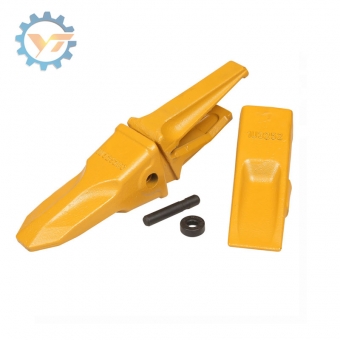
What Are the Main Types of Excavator Bucket Teeth?
Excavator bucket teeth are available in several profiles designed for different ground conditions. Although product names vary between manufacturers, the main differences usually involve penetration, wear resistance, impact resistance, and the shape of the working tip.
Penetration teeth have a relatively narrow or pointed profile that helps concentrate digging force. They are commonly considered for general excavation, compacted soil, and applications where the bucket needs to penetrate the ground efficiently.
Heavy-duty or rock teeth are designed for more demanding applications involving abrasive material or greater impact. Their geometry and material specifications should be selected according to the actual rock conditions and the machine's working requirements.
Long or narrow teeth can help with penetration in certain digging conditions. However, a longer profile is not automatically better: excessive exposure or an unsuitable design may increase bending or breakage risk under heavy impact.
Wide or blunt-profile teeth may be suitable for applications where durability, material handling, or a particular bucket configuration is more important than maximum penetration. The correct design depends on the material being moved and the intended operation.
These descriptions are general selection principles rather than universal product classifications. Manufacturers may use different names for similar tooth profiles, so buyers should compare drawings, dimensions, and application recommendations rather than relying on names alone.
For a practical starting point, browse the excavator bucket teeth and adapter product range from Yintparts to review available designs and discuss the appropriate profile for your equipment.
Which Bucket Teeth Are Best for Different Ground Conditions?
The right tooth depends on the material's hardness, abrasiveness, and resistance to penetration. A tooth that works well in ordinary soil may wear rapidly in abrasive sand and gravel, while a profile optimized for heavy rock may not be the most efficient choice for every general digging task.
| Working condition | Tooth profile to consider | Main selection priority |
|---|---|---|
| Soft soil and ordinary earthmoving | General-purpose or penetrating tooth | Efficient penetration and suitable digging geometry |
| Compacted clay | Penetration-oriented tooth | Ability to enter compacted material without excessive resistance |
| Abrasive sand and gravel | Wear-resistant tooth suited to abrasive conditions | Wear resistance and a suitable replacement interval |
| Fractured rock and demanding excavation | Heavy-duty or rock-oriented tooth | Impact resistance, strength, and system compatibility |
| Mixed construction material | General-purpose or application-specific heavy-duty tooth | A practical balance of penetration and wear resistance |
This table is a starting point, not a substitute for checking the actual product specification. Rock hardness, abrasive mineral content, impact frequency, machine size, and operating technique can all change the best choice.
For example, a contractor working mainly in abrasive gravel may prioritize wear resistance, while a contractor digging compacted soil may focus more on penetration. If the same excavator handles several materials, compare the cost and performance of alternative tooth profiles before standardizing one design across the fleet.
How Do Tooth Shape and Material Affect Performance?
Tooth shape determines how the cutting edge enters the ground and how digging forces are distributed. A narrow profile may improve penetration in suitable conditions, while a more robust profile may provide additional material around areas exposed to wear or impact. No single design delivers the best results in every application.
Material and heat treatment are equally important. Excavator bucket teeth need a suitable balance between hardness and toughness. Hardness helps resist abrasive wear, while toughness helps the component withstand impact without fracturing. Maximizing one property without considering the other can be unsuitable for certain working conditions.
When comparing suppliers, ask about:
- The material grade or alloy specification for the selected tooth
- The casting or forging process used for that product
- The applicable heat-treatment process and quality controls
- Hardness and mechanical-property requirements, where available
- Inspection procedures for dimensions, surface condition, and manufacturing defects
Yintparts describes its bucket teeth as wear-resistant alloy steel components and provides professional heat treatment as part of its manufacturing process. Casting and forging options are also offered according to customer requirements. Buyers should confirm which process and specification apply to the exact tooth being quoted.
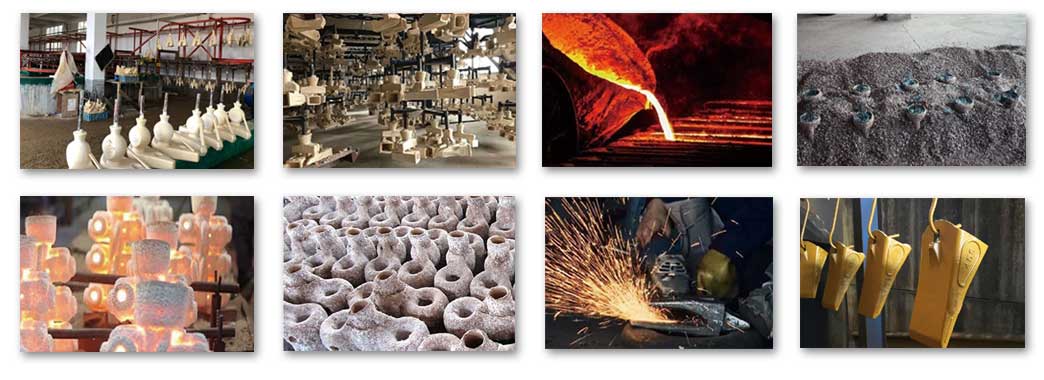
Rather than choosing a tooth based on a general claim such as extra hardness, ask the manufacturer to recommend a specification that fits your material, impact level, and expected wear pattern.
How Do You Check Bucket Tooth Compatibility?
A tooth with the right shape can still be unsuitable if it does not fit the bucket's adapter or locking system. Before ordering replacement excavator bucket teeth, confirm the part number, machine application, tooth dimensions, and connection design.
Check these details before placing an order:
- Excavator brand and machine model
- Original equipment or replacement part number
- Tooth profile, dimensions, and mounting arrangement
- Adapter type and locking-pin or retention system
- Whether the existing adapter is worn, damaged, or deformed
Do not rely on machine model alone when several tooth systems or replacement references may exist. If the part number is unavailable, send clear photographs, measurements, and details of the existing adapter to the supplier for verification.
For model-specific sourcing, Yintparts lists products such as excavator bucket teeth and adapter wear parts. Use the product information as a reference and confirm the exact fitment before purchase.
It is also important to inspect the adapter when replacing teeth. A worn adapter or damaged retaining component may affect fit and retention even when the replacement tooth itself is correct.
Should You Choose Cast or Forged Bucket Teeth?
Both casting and forging can be used to manufacture excavator bucket teeth, but the best option depends on the component design, material specification, manufacturing controls, and intended operating conditions. It is not accurate to assume that every forged tooth will outperform every cast tooth, or that casting is always the lower-cost choice.
When evaluating the two options, ask the manufacturer to explain:
- Which manufacturing process is available for the required tooth model
- What material and heat-treatment specifications apply
- How product consistency and critical dimensions are inspected
- Whether test reports or other quality documents are available
- How the proposed tooth performs in conditions similar to yours
For high-impact applications, buyers should pay particular attention to the balance between toughness and wear resistance. For abrasive applications, resistance to material loss may be a higher priority. Actual performance should be evaluated against the manufacturer's documented specifications and field conditions.
Yintparts offers casting and forging bucket tooth options according to customer needs. When requesting a quotation, specify your application and ask which manufacturing option is recommended for your machine and operating conditions.
When Should Excavator Bucket Teeth Be Replaced?
Bucket teeth should be inspected regularly because wear changes their shape and can reduce digging efficiency. Waiting until a tooth breaks may increase downtime and may expose the adapter or bucket edge to additional wear.
Common signs that replacement may be necessary include:
- The tooth tip has become significantly shorter or rounded
- Penetration becomes less efficient under similar working conditions
- Uneven wear develops across the bucket
- Cracks, chips, or other visible damage appear
- The tooth no longer fits securely or the retaining system is damaged
Replacement timing depends on the material being excavated, daily operating hours, machine size, tooth design, and maintenance practices. There is no single replacement interval that applies to every machine.
During replacement, inspect the adapter and locking components as well as the tooth. If an adapter is excessively worn or damaged, fitting a new tooth alone may not solve the problem. Follow the equipment and component manufacturer's inspection and installation recommendations.
How Can You Reduce Bucket Tooth Replacement Costs?
The lowest purchase price does not necessarily result in the lowest operating cost. A tooth that wears quickly, fits poorly, or requires frequent replacement can increase labor costs, machine downtime, and the risk of damage to related components.
To manage replacement costs, consider the following practices:
- Choose the tooth profile for the actual ground conditions rather than buying one design for every job.
- Confirm part compatibility before ordering to avoid returns and installation delays.
- Inspect teeth and adapters regularly to identify abnormal wear early.
- Keep records of replacement dates, operating conditions, and observed wear.
- Compare total purchasing and maintenance costs, not just unit prices.
- Ask the supplier about consistent specifications and repeat-order availability.
For distributors and fleet operators, tracking which tooth profiles work best in specific applications can improve future purchasing decisions. Even simple records of machine model, ground conditions, replacement frequency, and purchase price can help identify the most cost-effective option for a particular operation.
Yintparts supplies a range of ground engaging tools for excavators and earthmoving equipment. Buyers can review the available products and discuss tooth profiles, material requirements, and compatibility before selecting parts for repeat orders.
What Should You Tell a Bucket Tooth Manufacturer Before Ordering?
A complete inquiry helps the manufacturer identify the correct tooth and provide a more accurate quotation. Include as much of the following information as possible:
- Excavator brand, model, and machine serial number if available
- Original tooth part number or existing product reference
- Photos and measurements of the tooth and adapter
- Ground conditions, such as compacted soil, gravel, or rock
- Expected operating intensity and any recurring wear or breakage issues
- Required quantity, delivery destination, and target delivery date
- Material, manufacturing, inspection, or documentation requirements
If you are unsure which tooth profile to select, describe the problem with your current parts. For example, explain whether the teeth wear down too quickly, struggle to penetrate compacted ground, or suffer impact damage. This gives the manufacturer more useful information than asking for a generic heavy-duty tooth.
Yintparts can review customer requirements and manufacture products according to available samples, designs, or technical drawings. To discuss a suitable option, visit Yintparts and submit your part details, application conditions, and quantity requirements.
Frequently Asked Questions
Which excavator bucket teeth are best for general digging?
General-purpose or penetration-oriented teeth are often suitable for ordinary earthmoving and many soil conditions. The final choice depends on soil compactness, abrasiveness, machine size, and the bucket's tooth system.
What type of bucket teeth should I use for rock excavation?
Heavy-duty or rock-oriented teeth are worth considering for demanding rock applications. Confirm the tooth's compatibility, material specification, toughness, and suitability for the actual impact and abrasion conditions before ordering.
Are forged bucket teeth better than cast bucket teeth?
Not in every application. Performance depends on the tooth design, material, heat treatment, manufacturing quality, and working conditions. Ask the manufacturer to compare the available options against your specific requirements.
How do I know which bucket teeth fit my excavator?
Check the original part number, machine model, tooth dimensions, adapter design, and locking system. If the part number is unknown, provide photographs and measurements for the supplier to verify compatibility.
How often should excavator bucket teeth be replaced?
Replacement frequency varies with ground conditions, operating hours, tooth design, and maintenance. Inspect the tooth tips and adapters regularly, and replace components when wear, damage, or fitment problems affect safe and efficient operation.
Can Yintparts supply customized excavator bucket teeth?
Yintparts states that it can produce bucket teeth and related products according to customer samples, designs, or technical drawings. Buyers should provide the required dimensions, machine application, quantity, and performance requirements for confirmation.